3D Printing Prototype Manufacturing
3D Printing Prototype Manufacturing: From Concept to Functional Parts in Hours
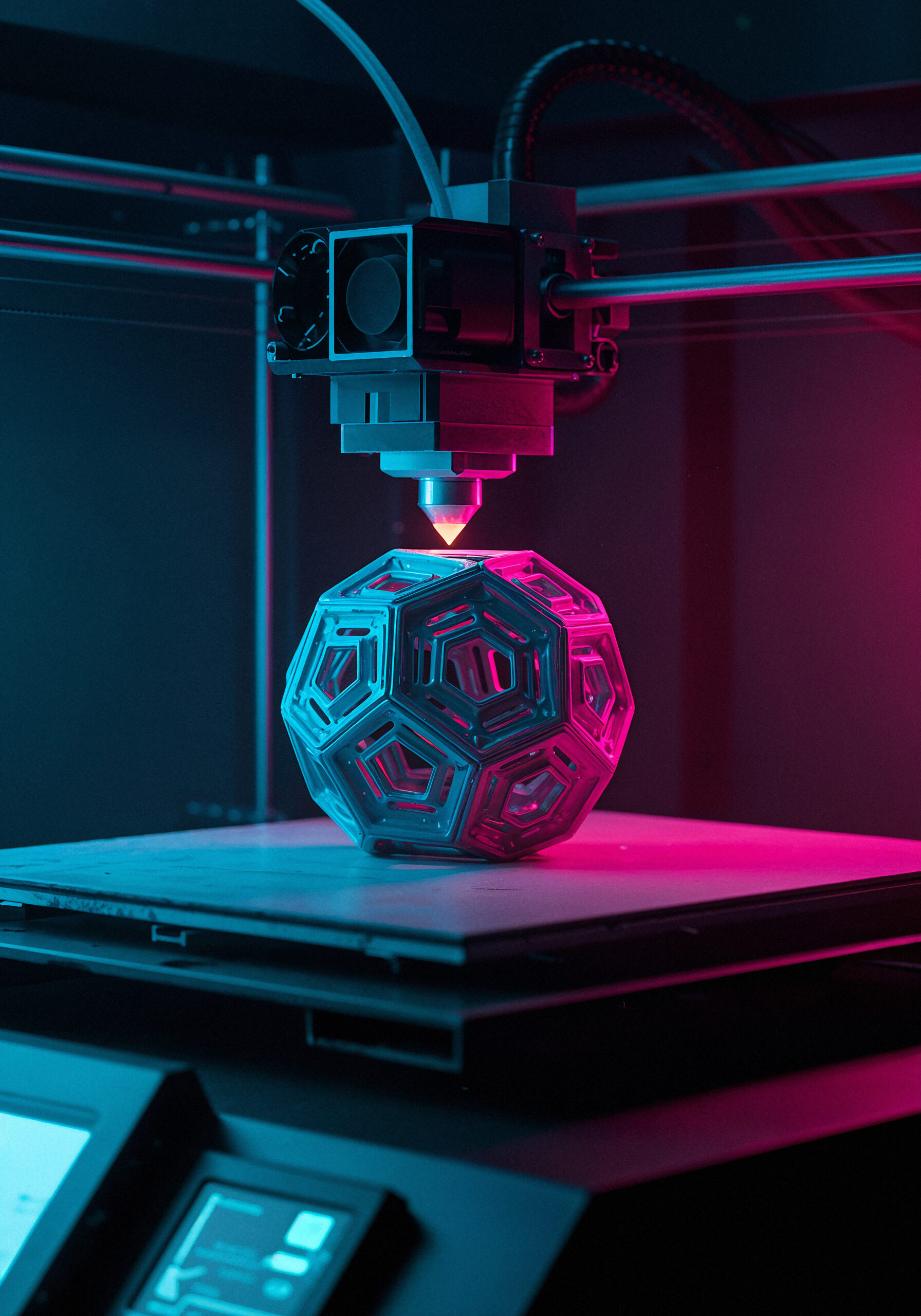
3D printing prototype manufacturing has transformed modern product development. Instead of waiting weeks for traditional manufacturing methods, companies can now create high-quality prototypes within hours or days.
At Polymach365, we provide advanced 3D printing and rapid prototyping services that help businesses accelerate innovation and reduce product development risks. Because our team uses modern additive manufacturing technologies, we can quickly convert digital designs into functional, ready-to-test prototypes.
Moreover, our engineers work closely with clients to ensure each printed component meets design, strength, and performance requirements. As a result, companies can test products faster and bring new ideas to market with greater confidence.
🚀Accelerate Product Development with 3D Printing
Traditional manufacturing often requires expensive tooling and long lead times. However, 3D printing eliminates these limitations. Therefore, engineers and designers can quickly test and refine their ideas.
Additionally, additive manufacturing supports multiple stages of product development.
Rapid Prototyping
First, 3D printing enables rapid prototyping, which allows engineers to evaluate form, fit, and function quickly. Consequently, teams can identify design improvements early and reduce costly revisions later.
Furthermore, physical prototypes help teams validate designs before moving into full-scale production.
Functional Engineering Prototypes
In addition to concept models, manufacturers can produce fully functional prototypes using engineering-grade materials. Therefore, these prototypes can withstand mechanical testing and real-world use conditions.
As a result, businesses gain valuable insights into product performance before investing in mass production.
Custom Tooling, Fixtures, and Jigs
Moreover, 3D printing allows companies to produce custom jigs, fixtures, and production tooling. Consequently, manufacturers can improve production efficiency while reducing equipment costs.
Low-Volume Production
Finally, additive manufacturing supports low-volume production runs. Therefore, companies can produce small batches of specialized components, replacement parts, or customized products economically.
🔬Our Core 3D Printing Technologies
At Polymach365, we offer multiple advanced additive manufacturing technologies. Because each process provides unique benefits, we select the best technology based on material, precision, and performance requirements.
| Technology | Process Description | Ideal For |
|---|---|---|
| SLA (Stereolithography) | Uses a UV laser to cure liquid resin, layer by layer. | High detail, smooth surface finish, aesthetic models, master patterns for casting. |
| FDM (Fused Deposition Modeling) | Extrudes thermoplastic filaments (like ABS, PLA, Nylon) in layers. | Durable, functional prototypes, low-cost concept models, basic fit-and-form testing. |
| SLS (Selective Laser Sintering) | Uses a laser to fuse powdered polymer (typically Nylon) particles together. | Strong, engineering-grade parts, complex internal features, high temperature resistance. |
| MJF (Multi Jet Fusion) | A faster, commercial-grade powder-bed process utilizing a fusing agent. | High volume production, excellent mechanical properties, balanced strength and flexibility. |
🌐 Materials and Finishes
Choosing the right material is critical for achieving the required strength, flexibility, and durability. Therefore, Polymach365 offers a wide range of materials designed for different applications.
Thermoplastic Materials
Common thermoplastics include:
ABS
PLA
Nylon 12
Polycarbonate
TPU (flexible rubber-like material)
Because these materials offer durability and versatility, they are widely used for functional prototypes and engineering parts.
Engineering Resins
In addition, we provide specialized engineering resins designed for demanding applications.
These materials offer:
High temperature resistance
Transparency
High durability
Excellent surface finish
Consequently, they are ideal for high-detail prototypes and product testing models.
Composite Materials
For applications requiring additional strength, we offer composite materials such as:
Carbon fiber reinforced nylon
Glass fiber reinforced polymers
As a result, these materials provide enhanced stiffness, strength, and lightweight performance.
Post-Processing and Finishing
Although 3D printing produces highly detailed parts, additional finishing can further improve appearance and functionality.
Therefore, Polymach365 offers a variety of post-processing services.
Sanding and Polishing
First, sanding and polishing create a smooth, injection-molded quality surface finish. Consequently, parts become suitable for presentation models and final prototypes.
Painting and Dyeing
Additionally, we offer custom painting and dyeing services. Therefore, businesses can match brand colors or identify functional components easily.
Tapping and Threading
Finally, we perform precision machining operations such as tapping and threading. As a result, printed parts integrate seamlessly with mechanical assemblies.
Why Choose Polymach365 for 3D Printing Prototype Manufacturing
Companies choose Polymach365 because we combine advanced additive manufacturing technology with expert engineering support.
As a result, our services provide:
Faster prototype development
Reduced product development costs
High-quality functional prototypes
Flexible low-volume production
Rapid turnaround times
Moreover, our experienced team helps businesses transform innovative concepts into functional, production-ready products.