CNC Part Manufacturing Services in Windsor, Ontario, Canada
Custom CNC Parts for Prototypes, Low-Volume Production, and Manufacturing
CNC Part Manufacturing Services in Windsor, Ontario, Canada
Canadian manufacturers need CNC-machined parts that deliver accurate dimensions, consistent quality, and reliable performance. Businesses in Windsor, Ontario, require custom components for industrial machinery, automotive applications, product development, and specialized manufacturing projects.Whether you need a prototype, replacement component, small batch, or production quantity, CNC machining provides a flexible way to transform CAD designs into finished parts.
Polymach365 provides CNC part manufacturing solutions for businesses in Windsor, Ontario, Canada, supporting custom components through CNC milling, CNC turning, multi-axis machining, prototyping, and low-volume production. Our digital manufacturing workflow helps businesses submit designs and communicate their component requirements.
What Are CNC Part Manufacturing Services?
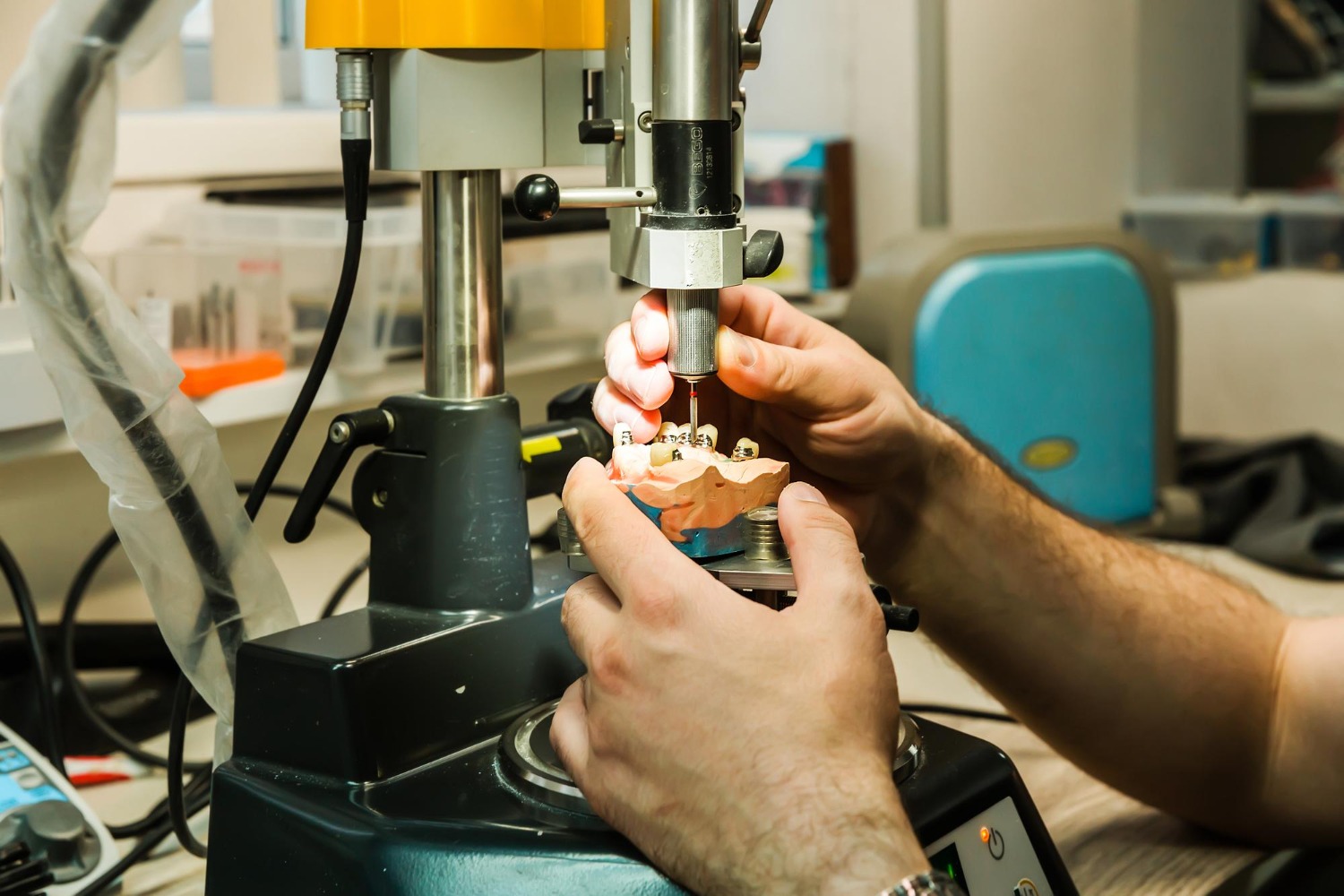
CNC part manufacturing uses computer-controlled machines to remove material from metal or plastic workpieces according to CAD designs and engineering specifications.
Common CNC parts include:
- Custom machine components
- Brackets and housings
- Shafts and bushings
- Fixtures and tooling
- Mold components
- Replacement parts
- Functional prototypes
- Low-volume production parts
This flexibility makes CNC machining suitable for projects from product development through ongoing production.
CNC Milling
CNC milling is suitable for components requiring:
- Flat surfaces
- Holes
- Slots and pockets
- Contoured profiles
- Angled features
- Complex geometries
It is commonly used for brackets, housings, fixtures, plates, tooling, and industrial components.
CNC Turning
CNC turning is designed for cylindrical and rotational components such as:
- Shafts
- Pins
- Bushings
- Sleeves
- Rollers
- Spacers
- Couplings
- Threaded parts
It is particularly useful when consistent diameters and concentricity are important.
Multi-Axis CNC Machining
3-axis, 4-axis, and 5-axis machining provide different levels of flexibility depending on component geometry. 5-axis machining can be useful for complex contours, angled surfaces, deep cavities, and multi-sided components while reducing setups for suitable parts.
Standard components do not always meet specific engineering requirements. Custom CNC manufacturing allows parts to be produced directly from CAD models and technical specifications.
Applications include:
- New product development
- Industrial equipment
- Automation systems
- Automotive components
- Robotics
- Tooling and molds
- Replacement parts
CNC Prototype Manufacturing
CNC prototypes allow engineers to evaluate:
- Dimensional accuracy
- Assembly fit
- Clearances
- Mechanical performance
- Material selection
- Surface finish
A typical workflow is:
CAD Design → DFM Review → CNC Prototype → Testing → Design Improvement → Production
CNC machining can therefore help identify design issues before larger production quantities are ordered. Polymach365 also supports prototype manufacturing.
Low-Volume CNC Part Manufacturing
CNC machining is not limited to high-volume production. It can support:
- Small production batches
- Low-volume manufacturing
- Pilot production
- Replacement components
- Engineering validation
- Specialized parts
The same manufacturing approach can also be adapted as a project moves from prototype to production.
Materials for CNC Parts
Polymach365 supports metals and engineering plastics including:
Metals: Aluminum, stainless steel, carbon steel, brass, copper, titanium, and tool steel.
Plastics: ABS, nylon, Delrin, polycarbonate, PEEK, and PTFE.
Material selection should consider strength, weight, corrosion resistance, temperature, wear, machinability, and the component’s operating environment.
CNC Parts for Canadian Industries
CNC components are used in:
- Automotive
- Aerospace
- Medical devices
- Robotics and automation
- Industrial manufacturing
- Consumer products
Polymach365 identifies aerospace, medical devices, robotics, and consumer electronics among the industries it serves.
1. Upload Your CAD File
Submit your 3D CAD model.
2. Manufacturing Review
Review manufacturing ability, material, tolerances, and machining requirements.
3. Get a Quote
Specify material, quantity, finishing, and production requirements.
4. CNC Manufacturing
The appropriate milling, turning, or multi-axis process is selected.
5. Quality Inspection
Finished parts are checked against specifications.
6. Delivery
Completed components are prepared for delivery.
Polymach365 currently presents its workflow as Upload → Quote → Produce and supports STEP, STL, IGES, SLDPRT, and ZIP formats.
Frequently Asked Questions
What are CNC part manufacturing services?
CNC part manufacturing services involve producing custom components from CAD designs using computer-controlled milling, turning, or multi-axis machining equipment.
Can CNC machining produce small quantities of parts?
Yes. CNC machining can support prototypes, replacement components, small batches, low-volume manufacturing, and larger production runs, depending on project requirements.
What materials can be used for CNC part manufacturing?
Common options include aluminum, stainless steel, carbon steel, brass, copper, titanium, tool steel, ABS, nylon, Delrin, PEEK, and polycarbonate.
What CAD file formats does Polymach365 support?
Polymach365 currently supports STEP, STL, IGES, SLDPRT, and ZIP formats for CAD file submission.
Is CNC machining suitable for automotive components?
Yes. CNC machining can manufacture suitable automotive components such as brackets, shafts, housings, fixtures, and specialized mechanical parts based on technical specifications.
What is the difference between CNC milling and CNC turning?
CNC milling uses rotating cutting tools to remove material from a workpiece. CNC turning rotates the workpiece while a cutting tool removes material. Milling is suitable for many flat and complex features, while turning is commonly used for cylindrical components.
Can CNC prototypes be used for production?
Yes. Once a prototype has been tested and approved, CNC machining can support suitable low-volume and production requirements. The manufacturing process should be evaluated based on the final design and required quantity.
CNC Part Manufacturing Services Canada provide a flexible solution for producing custom components for prototypes, small batches, replacement applications, and production.
CAD quality, DFM, material selection, machining strategy, tolerances, production volume, and inspection all contribute to the finished part.
Looking for CNC part manufacturing services in Windsor, Ontario, Canada? Polymach365 supports businesses exploring custom CNC components for prototypes, low-volume production, replacement applications, and manufacturing projects.
Upload your CAD file and provide your preferred material, component quantity, tolerances, surface finish, and other technical requirements.
Start your CNC part manufacturing project with Polymach365 and explore suitable machining solutions for your next component.