Why Cnc Machining Remains The Most Reliable Choice For Precision Parts
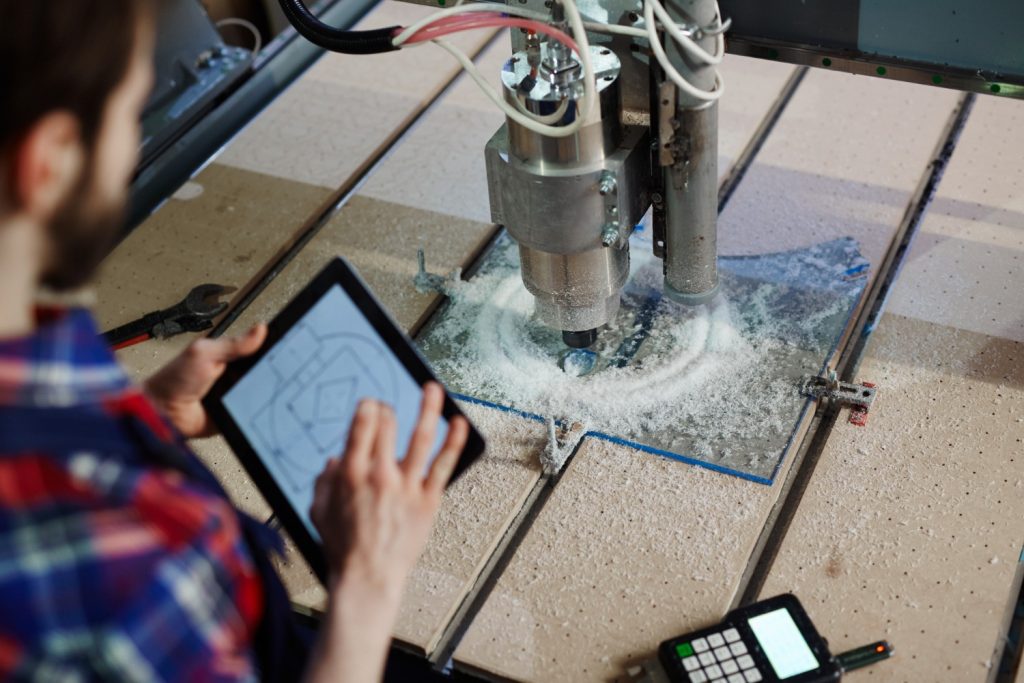
I. Introduction Despite new technologies entering the market, CNC machining continues to be the backbone of precision manufacturing. Its accuracy, repeatability, and ability to handle complex geometries make it indispensable for critical applications. One of the primary strengths of CNC machining is its capability to produce tight tolerances consistently across large quantities. Industries such as aerospace, automobile, robotics, and medical equipment rely heavily on CNC components because even the smallest deviation can affect performance and safety. CNC machining also supports a wide range of materials—including aluminium, stainless steel, brass, titanium, engineering plastics, and composites. This versatility enables engineers to choose the best material for strength, weight, durability, or environmental resistance. Additionally, CNC machining ensures exceptional surface finishes, which reduces post-processing time and improves product life. When combined with digital workflows like CAD/CAM integration and instant quoting systems, CNC machining becomes faster, more cost-effective, and ideal for both prototyping and mass production. As manufacturing continues to evolve, CNC machining remains the most trusted, stable, and scalable solution for producing high-quality engineered parts.
How Rapid Manufacturing Is Transforming Product Development
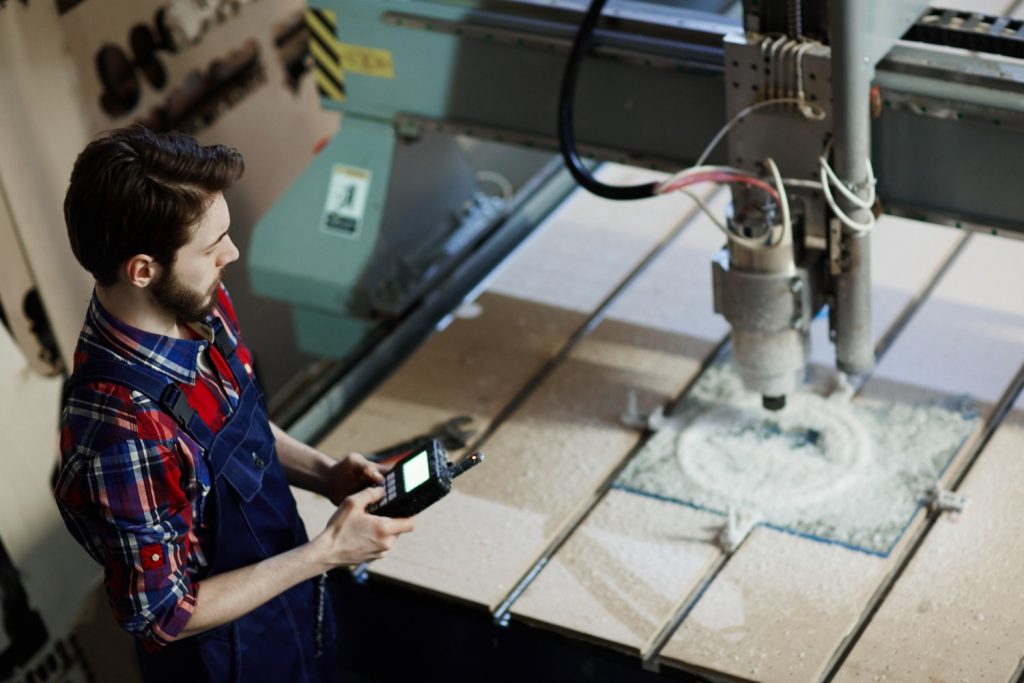
I. Introduction In today’s fast-paced industry, products need to move from concept to market faster than ever. Rapid manufacturing has become a game-changer, empowering engineers and businesses to develop prototypes, test ideas, and scale production with unmatched speed and precision. Modern rapid manufacturing combines CNC machining, injection molding, 3D printing, and die casting to deliver parts in days instead of weeks. This drastically reduces development cycles and allows companies to innovate quickly without compromising quality. Another major benefit is design flexibility. Engineers can test multiple iterations, refine geometries, and optimize functionality through instant digital-to-physical conversions. Industries such as aerospace, automotive, medical devices, consumer electronics, and robotics are adopting rapid manufacturing to stay ahead of competition. With services like instant quoting, multi-material capabilities, and global delivery, rapid manufacturing is no longer a luxury—it’s a necessity. As technology advances, businesses that embrace fast, precise, and scalable production will continue leading the innovation wave.
Optimizing CNC Toolpaths for Speed and Surface Finish
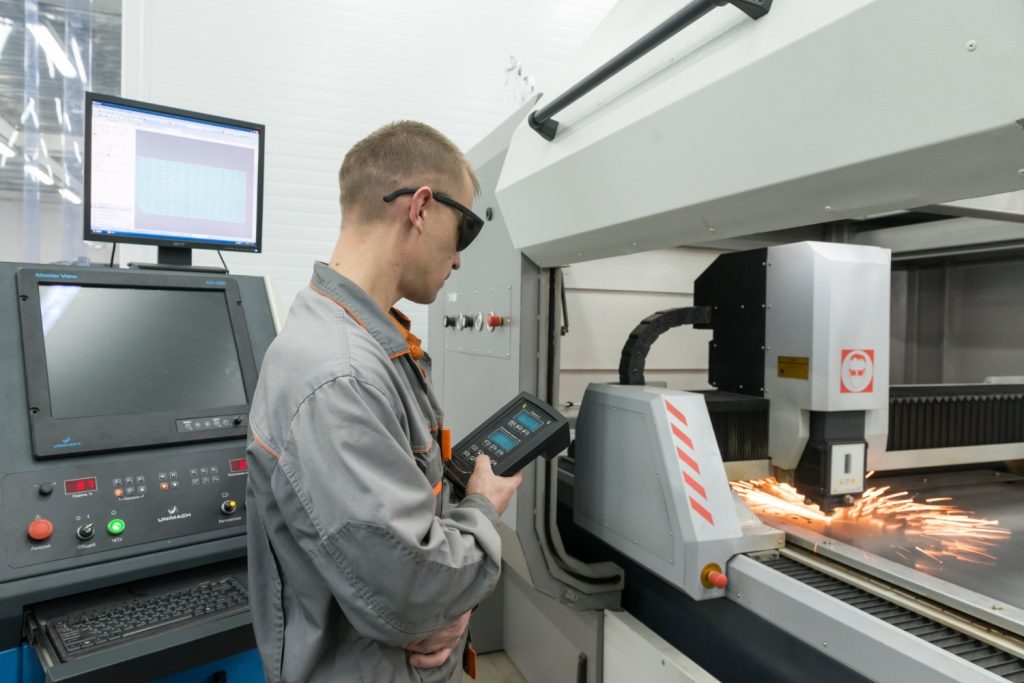
I. Introduction (The 3 Pillars of Optimization) Hook: Why does a machine shop live and die by its toolpaths? (The difference between profitability and scraping parts.) Definition: What is a toolpath and what does “optimization” truly mean in this context? (It’s not just running faster, it’s running smarter.) The Three Pillars of Optimization: Reduced Cycle Time: Making chips faster. Extended Tool Life: Spending less on consumables. Improved Surface Finish: Meeting tolerance and quality requirements efficiently. Thesis Statement: We will explore the key roughing and finishing strategies that dramatically impact these three pillars. II. Roughing Strategies: Choosing Consistency Over Speed Spikes The Problem with Traditional Roughing (Offset/Zig-Zag): It creates inconsistent tool engagement, leading to high radial forces in corners and rapid tool wear. The Adaptive Revolution (Trochoidal/High-Efficiency Machining – HEM): Concept: Maintaining a constant, low radial depth of cut (RDOC) but increasing axial depth of cut (ADOC) and feed rate. Benefit 1: Consistent Tool Load: This is the key to preventing tool failure and spindle overload. Benefit 2: Maximize Chip Evacuation: Creating short, manageable chips. Visual Explanation: The difference between an adaptive toolpath (smooth, flowing) and a traditional offset path (sharp changes in direction). Key Roughing Tactic: Helical Ramping: Always use a smooth, helical or gradual entry into the material instead of plunging or abrupt starts to save the cutter’s tip. III. Finishing Strategies: Precision and Aesthetics Finishing Goals: Focus shifts from material removal rate to accuracy and surface quality. Contour Machining (3D & 2D): Best for vertical and steep walls. Tool rolls around the feature. Tip: Use smaller stepovers (RDOC) to improve scallop height and minimize hand finishing. Parallel/Raster Machining: Best for shallow or flat surfaces. Tool moves back and forth in a linear pattern. Tip: Adjust the machining angle (e.g., 45 degrees) to follow the shape better, or to hide tool marks. Rest Machining (Pencil Milling): Definition: Using a smaller tool to clean up areas that the previous, larger tool could not reach (e.g., tight corners or small pockets). Optimization: This is crucial for avoiding expensive corner-breaking or benching operations later. IV. Advanced Optimization Techniques (Beyond the Strategy) Air Cut Reduction: Minimize rapid movements over areas where material has already been removed. Use Rest Material calculations in CAM software to only toolpath where chips need to be made. Smooth Transitions: Corner Rounding/Filleting: Adding small radii to sharp toolpath corners prevents the tool from dwelling, reduces harmonic vibration, and dramatically improves tool life. High-Speed Looping: Using smooth, tangential entry/exit movements for pocketing to prevent sudden changes in direction. Leads and Links: Optimizing the feed rate between cuts (links) and the angle/radius of entry (leads). Keep them smooth and rapid, where possible. Chip Thinning Compensation: Adjusting feed rate when the radial depth of cut is very shallow to ensure the tool is actually making a full chip, preventing rubbing and excessive heat. V. The Role of CAM Software and Simulation CAM is Your Co-Pilot: Modern CAM software (e.g., Fusion 360, Mastercam, SolidCAM) automates most optimization steps. Simulation Check: Always run a visual simulation of the toolpath before posting the code to check for: Gouges or collisions. Excessive air cuts. Areas of high material load (often indicated by color-coded analysis). Post-Processor Configuration: Ensure your post-processor is configured to output the most efficient machine code for your specific controller (e.g., outputting arcs instead of many small linear segments). VI. Conclusion & Key Takeaways Summary: Toolpath optimization is about balancing force (tool load), time (cycle time), and aesthetics (finish). Actionable Advice: If you take away one thing, it’s this: prioritize constant tool engagement (Adaptive Clearing) during roughing. Call to Action: What specific part are you currently machining? Share your biggest toolpath challenge in the comments!