CNC Production Parts in Western Ontario, Canada
Precision CNC Machining for Custom Components, Prototypes, and Production Runs
CNC Production Parts in Western Ontario, Canada
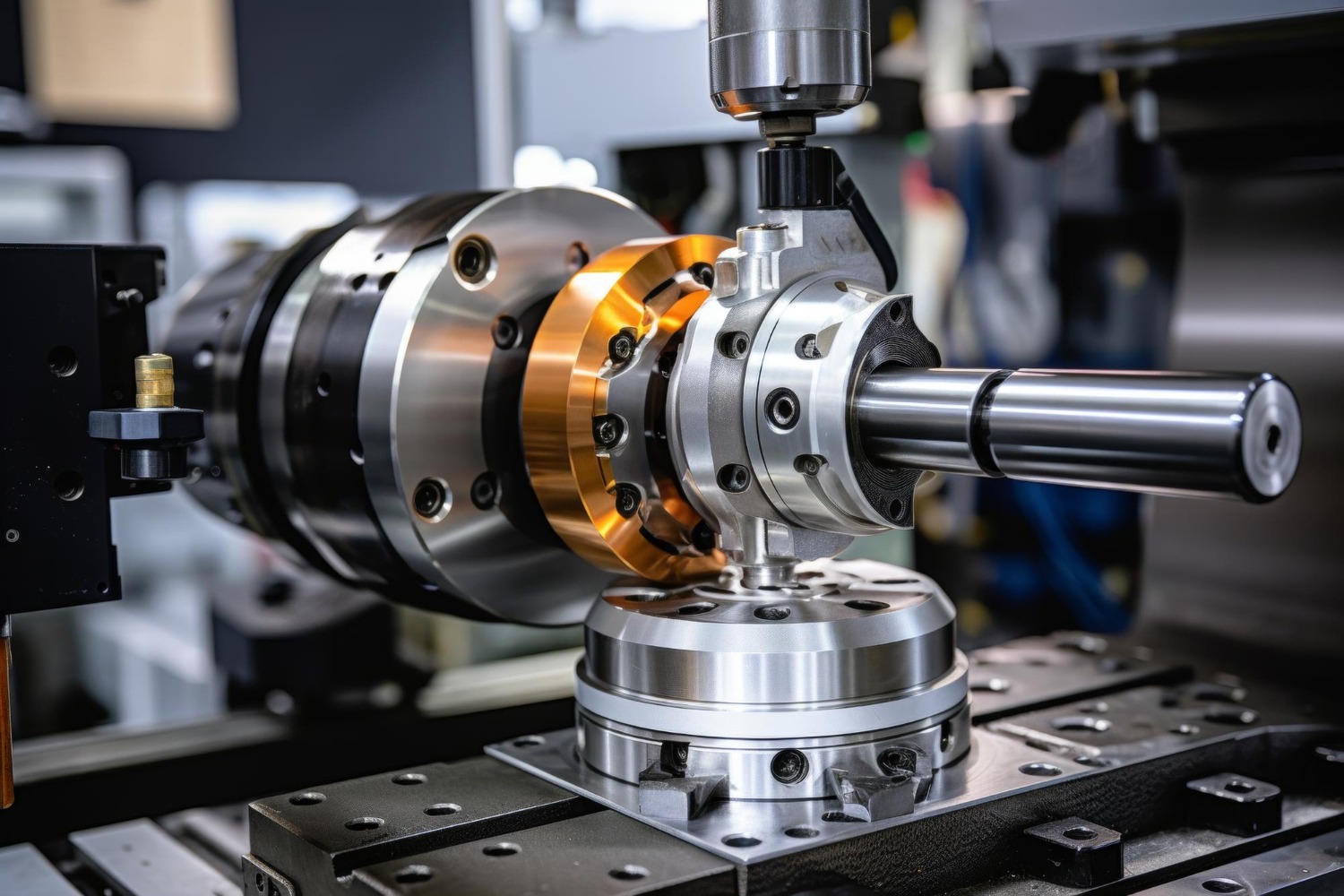
Looking for reliable CNC production parts in Western Ontario, Canada? Polymach365 supports businesses that require precision-machined components, custom metal parts, engineering plastic components, and production-ready parts. Whether you need functional prototypes, small batches, or larger production quantities, our digital manufacturing solutions help transform your CAD designs into practical components.
Moreover, our digital manufacturing workflow simplifies the process from design submission to production planning. You can upload your CAD files, provide material specifications, and request a quotation based on your project requirements. As a result, you can plan your manufacturing needs efficiently while focusing on product development.
Custom CNC Production Parts in Western Ontario
CNC production parts are components manufactured using computer numerical control (CNC) machines. These machines follow programmed instructions to cut, drill, mill, or turn raw materials into components that match engineering drawings and design specifications.
Unlike manual machining, CNC machining uses controlled toolpaths to support repeatable manufacturing. Therefore, it is suitable for producing components that require consistent dimensions, complex features, and dependable fit.
CNC production parts commonly include:
Custom metal components
Precision mechanical parts
Industrial machinery components
Shafts, pins, and bushings
Brackets, housings, and mounting plates
Engineering fixtures and tooling
Custom plastic components
Replacement and aftermarket parts
Prototype and low-volume production components
Furthermore, CNC machining supports a wide range of geometries and engineering materials. Consequently, manufacturers can develop custom parts for different applications without relying exclusively on standard off-the-shelf components.
CNC Production Parts Manufacturing Services in Canada
Polymach365 supports different CNC machining requirements for businesses developing products or manufacturing custom components. By selecting the appropriate process, material, and production quantity, you can plan manufacturing around your application.
CNC Milling for Production Parts
CNC milling uses rotating cutting tools to remove material from a workpiece. It is suitable for components that require flat surfaces, slots, holes, pockets, contours, and complex profiles.
Our CNC milling solutions can support applications such as:
Precision mounting plates
Custom brackets and supports
Machine housings and enclosures
Industrial fixtures
Mechanical blocks and plates
Custom tooling components
Moreover, appropriate machining strategies can help improve tool access and reduce unnecessary setups. As a result, CNC milling can support both custom components and repeat production requirements.
CNC Turning for Production Components
CNC turning rotates a workpiece while a cutting tool shapes its surface. Consequently, it is suitable for manufacturing cylindrical and rotational components.
Common CNC-turned parts include:
Shafts and pins
Bushings and sleeves
Rollers and spacers
Threaded components
Couplings and fittings
Cylindrical housings
Custom rotational parts
Therefore, CNC turning is a practical option when components require controlled diameters, concentric features, and consistent dimensions.
3-Axis, 4-Axis, and 5-Axis CNC Machining
Different components require different machining configurations. For this reason, selecting the right CNC process can improve manufacturing efficiency.
3-axis CNC machining: Suitable for many components with accessible surfaces and standard features.
4-axis CNC machining: Adds rotational movement to support additional machining operations.
5-axis CNC machining: Supports complex geometries, angled surfaces, and multiple machining orientations.
However, the most appropriate configuration depends on the part’s geometry, material, tolerances, and production requirements.
Materials for CNC Production Parts
Material selection directly affects part strength, weight, durability, machinability, and manufacturing cost. Therefore, choose materials according to the component’s function and operating environment.
CNC-Machined Metal Parts
Common metal options include:
Aluminum
Stainless steel
Carbon steel
Brass
Copper
Titanium
Selected alloy steels
For example, aluminum is often suitable for lightweight housings and mounting components. In contrast, stainless steel may be appropriate for applications that require corrosion resistance.
CNC-Machined Plastic Parts
Engineering plastics can provide useful combinations of low weight, machinability, chemical resistance, and mechanical performance.
Suitable material options may include:
ABS
Nylon
Polycarbonate
PEEK
Delrin (POM)
Other engineering polymers
Furthermore, reviewing temperature exposure, mechanical loads, chemical contact, and dimensional requirements helps you select a suitable material.
Industries That Use CNC Production Parts in Western Ontario
CNC machining supports various industries that require custom components, prototypes, and repeat production.
Automotive and Transportation
Automotive businesses may require custom brackets, housings, fixtures, and mechanical components. Small production runs can also support design validation and specialized applications.
Industrial Machinery
Machinery manufacturers often need custom parts, replacement components, and tooling. Therefore, CNC machining can help produce components when standard parts do not meet specific engineering requirements.
Robotics and Automation
Robotics companies need precise mounts, shafts, housings, and mechanical assemblies. Consequently, CNC production parts can support automation equipment development and specialized machinery.
Aerospace and Engineering
CNC machining can support selected engineering prototypes and specialized components. However, aerospace applications require appropriate material specifications, inspection, traceability, and compliance with applicable standards.
Electronics and Technology
Product developers may need custom enclosures, mounting plates, and mechanical components. Moreover, CNC machining allows teams to evaluate physical parts before increasing production quantities.
Medical Equipment Development
CNC machining can support selected medical equipment prototypes, fixtures, and components. Nevertheless, regulated applications require appropriate material selection, validation, and compliance with relevant requirements.
Consumer Products
Manufacturers may require custom components for product housings, mechanical assemblies, accessories, and functional prototypes. Therefore, CNC machining can help support product development and specialized production needs.
From Prototype to CNC Production Parts
Moving from a prototype to repeat production requires careful planning. First, engineers must validate the design. Then, they can review material selection, machining requirements, inspection criteria, and production quantities.
Polymach365 supports a digital manufacturing workflow that helps customers move from CAD designs toward manufactured components.
Step 1: Upload Your CAD Files
Submit your 3D CAD model and available engineering drawings. File formats listed on the Polymach365 website include STEP, STL, IGES, SLDPRT, and ZIP.
Step 2: Review Your Manufacturing Requirements
Specify the required quantity, material, critical dimensions, tolerances, surface finish, and delivery requirements. These details help determine a suitable manufacturing approach.
Step 3: Review Design for Manufacturability
Design for Manufacturability (DFM) feedback can identify features that may complicate machining or increase production costs. Consequently, reviewing the design early can help prevent avoidable changes.
Step 4: Confirm the Quotation
Review the proposed manufacturing process, material, quantity, finishing requirements, and quotation before approving production.
Step 5: Manufacture Your CNC Parts
The selected CNC milling, turning, or other suitable machining process transforms the material into the required component.
Step 6: Inspect the Finished Components
Inspect the parts against the agreed specifications. Depending on the project, checks may include critical dimensions, hole locations, surface finish, and other important features.
Step 7: Plan Repeat Orders
Once you validate the components and approve the design, you can plan subsequent production batches according to demand and manufacturing requirements.
As a result, a structured workflow helps connect product development with repeatable CNC production.
CNC Production Parts for Small and Large Quantities
Different projects require different production volumes. Therefore, understanding your quantity requirements can help you select an appropriate manufacturing strategy.
| Factor | Small-Batch CNC Production | Larger Production Runs |
|---|---|---|
| Quantity | Limited numbers of parts | Higher quantities |
| Design changes | Useful during product development | Best when the design is stable |
| Setup costs | Spread across fewer parts | Spread across more parts |
| Cost per part | Can be higher at low quantities | May decrease as volume increases |
| Typical applications | Prototypes, pilot runs, custom parts | Repeat manufacturing and established products |
Small-batch CNC machining can be suitable when demand remains uncertain or designs are still evolving. However, larger production runs may improve per-part economics when the design, demand, and manufacturing process are stable.
Moreover, injection molding may be a better option for certain high-volume plastic components when the tooling investment is justified.
Why Choose Polymach365 for CNC Production Parts in Canada?
Choosing a manufacturing partner involves more than comparing quotations. You should also consider machining capabilities, engineering communication, material options, production planning, and quality requirements.
Polymach365 supports CNC manufacturing projects through a digital workflow and a range of machining capabilities.
Custom Manufacturing Support
We review project requirements and component designs to help identify an appropriate manufacturing process.
Multiple Machining Capabilities
Our CNC machining services include milling, turning, and multi-axis machining for a range of component geometries.
Metal and Plastic Options
Different projects require different materials. Therefore, material selection forms an important part of the manufacturing review.
Design-for-Manufacturing Feedback
A manufacturability review can help identify design features that may affect machining complexity, production time, or cost.
Support from Prototype to Production
Product development and production requirements often change over time. Consequently, discussing expected quantities and future requirements helps establish an appropriate manufacturing plan.
Digital Project Submission
Customers can submit supported CAD files for review and provide relevant information about materials, quantities, tolerances, and finishing requirements.
Get a Quote for CNC Production Parts in Western Ontario
Looking for CNC production parts in Western Ontario, Canada? Polymach365 helps businesses explore manufacturing solutions for custom components, functional prototypes, and production requirements.
From CNC milling and turning to multi-axis machining, our digital manufacturing workflow helps you move from CAD designs toward finished components. Moreover, careful material selection and design review can help improve manufacturability and support cost-effective production planning.
Start your CNC production project with Polymach365 today. Submit your CAD files, required quantity, material preferences, and engineering specifications to discuss your custom CNC production parts requirements.