What Are Mold Components? A Complete Guide for Manufacturers
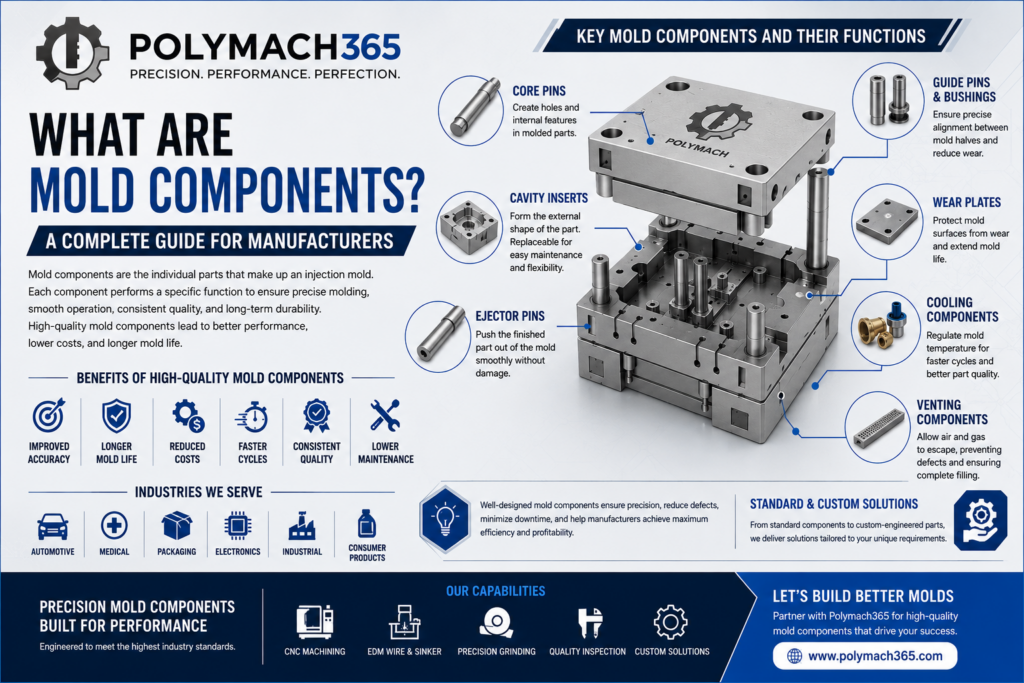
Understanding Mold Components and Their Role in Injection Molding Success In today’s manufacturing industry, injection molds are responsible for producing millions of precision plastic parts every day. However, an injection mold is much more than a simple tool. It consists of multiple precision-engineered components that work together to ensure accurate molding, smooth operation, consistent quality, and long-term durability. Therefore, understanding mold components is essential for mold makers, injection molders, product designers, and manufacturers looking to improve production efficiency and product quality. At Polymach365, we specialize in manufacturing high-quality mold components, including core pins, cavity inserts, ejector pins, guide pins, bushings, wear plates, and custom mold parts. Our precision-engineered components help manufacturers achieve reliable performance, tighter tolerances, and longer mold life. This guide explains what mold components are, their functions, and why they are critical for successful injection molding operations. What Are Mold Components? Mold components are the individual parts that make up an injection mold. Each component performs a specific function during the molding process, including shaping the part, guiding mold movement, cooling the mold, ejecting the finished product, and ensuring precise alignment. Together, these components enable consistent production and high-quality molded parts. Without properly manufactured mold components, molds can experience alignment issues, excessive wear, part defects, and costly downtime. Therefore, investing in high-quality mold components is essential for achieving efficient and reliable production. Why Are Mold Components Important? Every injection mold relies on precision components to perform correctly. Therefore, the quality of these components directly affects product quality, mold lifespan, and production efficiency. Benefits of High-Quality Mold Components ✔ Improved dimensional accuracy ✔ Longer mold life ✔ Reduced maintenance costs ✔ Faster production cycles ✔ Consistent part quality ✔ Lower manufacturing costs As a result, manufacturers can improve productivity while reducing operational risks. Key Mold Components Explained 🔩 Core Pins Core pins are precision components used to create holes, internal features, and complex geometries within molded parts. During injection molding, molten plastic flows around the core pin and forms the desired internal shape. Core pins play a critical role in maintaining dimensional accuracy and feature consistency. Applications Through holes Blind holes Internal channels Precision features Benefits ✔ High dimensional accuracy ✔ Improved part consistency ✔ Reduced secondary operations ⚙️ Cavity Inserts Cavity inserts form the external shape and surface details of molded components. They are often designed as replaceable sections, allowing mold makers to modify or repair specific areas without replacing the entire mold. Inserts also simplify maintenance and support multiple product variations. Advantages ✔ Easier mold maintenance ✔ Faster repairs ✔ Improved tooling flexibility ✔ Reduced mold replacement costs As a result, manufacturers can extend mold life while improving production efficiency. 🔧 Ejector Pins After a molded part cools, it must be removed from the mold safely. Ejector pins push the finished part out of the cavity without damaging its shape or surface. They are among the most widely used mold components in injection molding systems. Benefits ✔ Reliable part ejection ✔ Reduced cycle times ✔ Improved production efficiency ✔ Lower risk of part damage Consequently, ejector pins play a crucial role in maintaining production speed and consistency. 🛠 Guide Pins and Bushings Guide pins and bushings ensure accurate alignment between the moving and stationary halves of the mold. Proper alignment is essential for maintaining part quality and preventing excessive wear on mold components. Advantages ✔ Accurate mold alignment ✔ Reduced component wear ✔ Improved mold life ✔ Consistent product quality Therefore, guide systems are essential for achieving reliable and repeatable molding performance. ⚡ Wear Plates Wear plates protect mold surfaces that experience frequent movement and friction. They reduce wear, improve durability, and help maintain precision over extended production cycles. Applications Sliding mold components Moving assemblies High-cycle molds Benefits ✔ Increased durability ✔ Reduced maintenance ✔ Longer mold lifespan ✔ Lower repair costs As a result, wear plates help manufacturers maximize tooling investments. ❄ Cooling Components Cooling systems are critical because cooling often accounts for the majority of the molding cycle. Components such as cooling channels, baffles, bubblers, and thermal pins regulate mold temperature and improve cycle efficiency. Proper cooling helps prevent warpage while improving productivity. Benefits ✔ Faster cycle times ✔ Better dimensional stability ✔ Improved part quality ✔ Reduced production costs 🌬 Venting Components Venting systems remove trapped air and gases from the mold cavity during injection. Without proper venting, manufacturers may experience burn marks, short shots, voids, and incomplete filling. Venting components help maintain consistent molding quality. Advantages ✔ Reduced molding defects ✔ Improved material flow ✔ Better surface finish ✔ Consistent part quality Standard vs Custom Mold Components Manufacturers can choose between standard mold components and custom-engineered solutions. Standard Mold Components Standard components are widely available and designed to fit common mold configurations. Benefits ✔ Faster availability ✔ Lower upfront cost ✔ Proven reliability Custom Mold Components Custom mold components are designed specifically for unique mold applications and specialized production requirements. Benefits ✔ Optimized performance ✔ Better fit and functionality ✔ Enhanced durability ✔ Improved production efficiency At Polymach365, we manufacture both standard and custom mold components tailored to customer specifications. Materials Used in Mold Components The performance of mold components depends heavily on material selection. Common Materials Include Tool Steel Hardened Steel Stainless Steel H13 Steel S7 Steel Carbide Beryllium Copper Therefore, selecting the right material improves wear resistance, heat transfer, and component lifespan. Industries That Rely on Mold Components High-quality mold components support a wide range of industries across Canada. 🚗 Automotive Manufacturing Precision components for interior, exterior, and structural applications. 🏥 Medical Device Manufacturing High-accuracy mold components for healthcare products. 📦 Packaging Industry Durable tooling solutions for high-volume packaging production. 💻 Electronics Manufacturing Precision mold components for technical products and enclosures. 🧴 Consumer Products Reliable tooling systems for everyday household products. As a result, mold components remain essential to modern manufacturing operations. Why Choose Polymach365 for Mold Components Manufacturing? At Polymach365, we combine advanced CNC machining, EDM technology, precision grinding, and engineering expertise to manufacture premium mold components that meet
How Good Mold Design Improves Product Quality and Reduces Costs
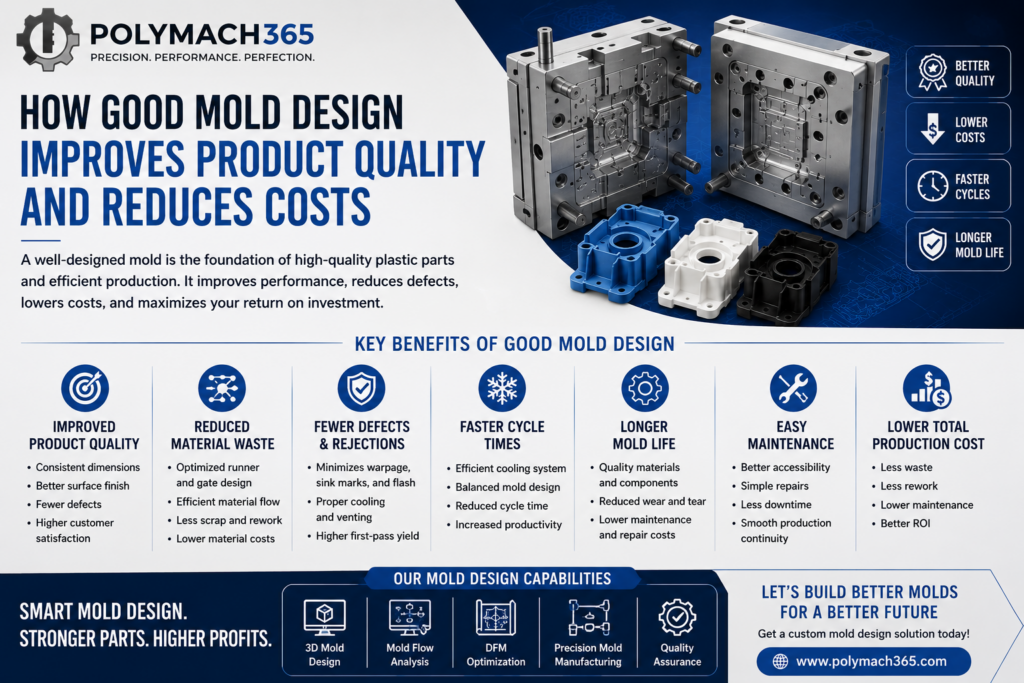
A Complete Guide for Manufacturers in Canada In today’s competitive manufacturing environment, product quality and production efficiency are critical factors for success. However, many manufacturers focus solely on production processes while overlooking one of the most important elements of plastic manufacturing—Injection Mold Design. A well-designed mold not only produces high-quality parts consistently but also reduces production costs, minimizes defects, and extends tool life. At Polymach365, we provide advanced Injection Mold Design Services and custom mold manufacturing solutions that help businesses across Canada optimize production performance and maximize return on investment. Whether you’re developing a new product or improving an existing manufacturing process, proper mold design can significantly impact your profitability and product quality. This guide explains how good mold design improves product quality while reducing overall manufacturing costs. Why Mold Design Matters in Injection Molding Injection molding is one of the most widely used manufacturing processes for producing plastic components. However, the final product is only as good as the mold used to create it. Therefore, mold design plays a critical role in determining part quality, cycle time, material usage, and production efficiency. A properly engineered mold ensures: ✔ Consistent product dimensions ✔ Efficient material flow ✔ Faster production cycles ✔ Reduced manufacturing defects ✔ Longer mold lifespan ✔ Lower operating costs As a result, manufacturers achieve better product performance and higher production efficiency. 1. Improves Product Quality and Consistency One of the biggest advantages of a well-designed mold is improved product consistency. Poor mold design often leads to: Warpage Sink marks Flash Short shots Weld lines Dimensional inaccuracies However, a properly engineered mold ensures uniform material flow, balanced cooling, and accurate cavity dimensions. Therefore, every molded part meets the same quality standards throughout production. Quality Benefits ✔ Consistent dimensions ✔ Better surface finishes ✔ Improved part strength ✔ Reduced defect rates ✔ Enhanced customer satisfaction Consequently, manufacturers spend less time dealing with quality issues and product rejections. 2. Reduces Material Waste Material costs represent a significant portion of injection molding expenses. Therefore, reducing waste directly improves profitability. A well-designed mold optimizes: Gate locations Runner systems Material flow paths Cavity filling efficiency As a result, manufacturers use less material while maintaining excellent part quality. Cost-Saving Benefits ✔ Reduced scrap rates ✔ Lower resin consumption ✔ Improved material utilization ✔ Sustainable manufacturing practices Furthermore, reducing waste contributes to both environmental and financial benefits. 3. Minimizes Production Defects Defects are expensive because they increase rework, waste, and production delays. Common molding defects include: Sink Marks Uneven cooling causes depressions on the part surface. Warpage Improper cooling creates dimensional distortion. Flash Excess material escapes between mold surfaces. Short Shots Incomplete cavity filling results in defective parts. However, proper mold design minimizes these issues through optimized cavity geometry, gate placement, cooling systems, and venting strategies. Therefore, manufacturers experience fewer quality problems and lower production costs. 4. Improves Cooling Efficiency Cooling accounts for a large percentage of the injection molding cycle. Therefore, cooling system design directly affects production speed and product quality. Effective Cooling Design Provides: ✔ Faster cycle times ✔ Consistent cooling ✔ Reduced warpage ✔ Improved dimensional stability ✔ Higher production output Consequently, manufacturers produce more parts in less time while maintaining quality standards. 5. Reduces Cycle Time Cycle time refers to the total time required to produce one molded part. A properly designed mold reduces cycle time by optimizing: Material flow Cooling performance Part ejection Mold opening and closing operations Benefits of Shorter Cycle Times ✔ Increased productivity ✔ Lower manufacturing costs ✔ Higher machine utilization ✔ Faster order fulfillment As a result, manufacturers improve profitability while increasing production capacity. 6. Extends Mold Life Injection molds are significant investments. Therefore, maximizing mold lifespan is essential for controlling long-term production costs. Good mold design incorporates: Premium tool steels Proper wear surfaces Effective cooling channels Optimized ejection systems Balanced mold construction As a result, molds experience less wear and require fewer repairs throughout their service life. Long-Term Advantages ✔ Reduced maintenance costs ✔ Fewer production interruptions ✔ Longer tooling lifespan ✔ Better return on investment Consequently, businesses reduce overall tooling expenses. 7. Improves Mold Maintenance Efficiency Every mold requires maintenance. However, poorly designed molds often increase maintenance complexity and downtime. A well-designed mold allows easier access to: Core pins Cavity inserts Ejector systems Cooling channels Wear components Therefore, maintenance teams can perform repairs and preventive maintenance more efficiently. Benefits Include ✔ Reduced downtime ✔ Faster repairs ✔ Lower maintenance costs ✔ Improved production reliability 8. Enhances Part Ejection Performance Part ejection is a critical stage of the molding process. Improper ejection design can cause: Part damage Surface defects Production interruptions However, optimized ejection systems ensure smooth and reliable part removal. Effective Ejection Design Includes: ✔ Proper ejector pin placement ✔ Balanced ejection force ✔ Reduced part stress ✔ Consistent production cycles As a result, manufacturers improve both product quality and operational efficiency. 9. Supports Faster Product Development Good mold design begins during product development. By applying Design for Manufacturability (DFM) principles early, engineers can identify potential production challenges before tooling begins. Advantages ✔ Faster design approval ✔ Reduced engineering changes ✔ Lower development costs ✔ Shorter project timelines Therefore, businesses bring products to market faster and more efficiently. 10. Lowers Total Manufacturing Costs Ultimately, every benefit of good mold design contributes to lower production costs. Because manufacturers experience: ✔ Fewer defects ✔ Reduced material waste ✔ Faster cycle times ✔ Lower maintenance expenses ✔ Extended mold life ✔ Higher productivity The total cost per part decreases significantly. Consequently, businesses improve profitability while maintaining exceptional product quality. Key Elements of Effective Mold Design At Polymach365, we focus on every critical aspect of mold engineering. Core and Cavity Optimization Ensures dimensional accuracy and consistent part quality. Advanced Cooling Systems Reduces cycle times and improves thermal performance. Precision Mold Components Enhances mold durability and operational reliability. Balanced Runner and Gate Design Promotes uniform material flow and cavity filling. Efficient Ejection Systems Supports smooth part removal and reduced downtime. Therefore, our molds are engineered for maximum performance
How Rapid Prototyping Reduces Product Development Time
A Complete Guide for Manufacturers in Canada In today’s highly competitive manufacturing environment, speed is often the difference between market leadership and missed opportunities. Therefore, companies across Canada are increasingly adopting Rapid Prototyping Services to accelerate product development, reduce engineering risks, and bring innovative products to market faster. Whether you’re developing a new consumer product, industrial component, medical device, or automotive part, rapid prototyping allows you to test, validate, and improve designs before committing to full-scale production. At Polymach365, we help manufacturers shorten development cycles through advanced CNC machining, 3D printing, and prototype manufacturing solutions. As a result, businesses can move from concept to production faster while maintaining quality, accuracy, and cost efficiency. What Is Rapid Prototyping? Rapid prototyping is a manufacturing approach that uses CAD data to quickly create physical models, functional prototypes, or pre-production parts. Instead of waiting weeks or months for traditional tooling, engineers can produce and evaluate prototypes in a matter of days. This allows teams to identify design improvements early and accelerate decision-making throughout the product development process. Therefore, rapid prototyping has become an essential tool for modern product development and innovation. Why Product Development Often Takes Too Long Traditional product development frequently involves multiple design revisions, lengthy approval processes, tooling delays, and expensive engineering changes. Common challenges include: Design errors discovered late in production Multiple prototype iterations Long tooling lead times Communication gaps between teams Costly redesigns Delayed product launches Consequently, businesses often spend significant time and money correcting issues that could have been identified earlier. Rapid prototyping helps solve these challenges by providing physical validation much earlier in the development cycle. 1. Faster Design Validation One of the biggest advantages of rapid prototyping is the ability to validate designs quickly. Instead of relying solely on digital models, engineers can physically evaluate a prototype and verify: ✔ Dimensions ✔ Fit and assembly ✔ Ergonomics ✔ Functionality ✔ Material performance As a result, design flaws become visible much earlier, reducing the likelihood of expensive modifications later in the project. 2. Reduces Design Iterations Every product undergoes revisions before reaching production. However, traditional development methods often require lengthy redesign cycles. Rapid prototyping allows engineers to test multiple versions quickly and efficiently. Therefore, design improvements can be implemented immediately. Benefits Include: Faster engineering feedback Improved design accuracy Shorter revision cycles Reduced project delays Consequently, manufacturers spend less time redesigning and more time moving toward production. 3. Accelerates Product Testing Testing is one of the most important stages of product development. Rapid prototypes allow companies to perform: Functional Testing Evaluate how the product performs under real-world conditions. Mechanical Testing Assess strength, durability, and performance. Assembly Testing Verify component compatibility and manufacturability. User Testing Collect valuable feedback from customers and stakeholders. As a result, businesses gain confidence in product performance before investing in production tooling. 4. Identifies Problems Earlier Finding problems during production is expensive and time-consuming. However, rapid prototyping helps engineers identify issues during the design phase, including: Poor fitment Weak structural areas Assembly challenges Material limitations Ergonomic concerns Therefore, teams can solve problems before they impact production schedules and budgets. Early issue identification is one of the primary reasons rapid prototyping helps reduce time-to-market. 5. Improves Team Collaboration Product development often involves multiple departments, including: Engineering Manufacturing Quality Control Marketing Sales A physical prototype provides a clear representation of the final product. Consequently, teams communicate more effectively and make decisions faster. Instead of discussing abstract CAD models, stakeholders can review and evaluate a tangible product. As a result, approval processes become faster and more efficient. 6. Speeds Up Customer and Investor Feedback Obtaining feedback early can significantly reduce development time. Rapid prototypes allow companies to: ✔ Demonstrate product concepts ✔ Validate market demand ✔ Collect customer feedback ✔ Secure investor approval ✔ Refine product features Therefore, businesses can make informed decisions before entering full production. 7. Enables Parallel Product Development Traditional manufacturing often follows a sequential process. However, rapid prototyping enables multiple development activities to occur simultaneously. For example: Engineers refine designs. Marketing teams prepare product launches. Manufacturing teams evaluate production requirements. Customers review prototypes. As a result, overall project timelines are significantly reduced. 8. Supports Agile Product Development Modern manufacturing increasingly follows agile development principles. Rapid prototyping supports this approach by enabling quick iterations, continuous improvement, and faster decision-making. Instead of waiting months between revisions, companies can test and improve products in short development cycles. Consequently, businesses respond more quickly to customer needs and changing market conditions. 9. Simplifies Transition to Production Moving from design to production can be challenging. However, prototypes manufactured using CNC machining or production-grade materials closely resemble final parts. Therefore, manufacturers can: Validate manufacturing processes Confirm material performance Optimize assembly procedures Reduce production risks As a result, the transition from prototype to production becomes faster and more predictable. 10. Reduces Time-to-Market Ultimately, rapid prototyping shortens the entire product development cycle. Because companies can: ✔ Validate designs faster ✔ Reduce engineering changes ✔ Improve communication ✔ Accelerate testing ✔ Minimize production risks Products reach the market sooner. This faster time-to-market creates a significant competitive advantage while increasing revenue opportunities. Rapid prototyping is widely used specifically because it enables faster testing, iteration, and product development. Rapid Prototyping Solutions at Polymach365 At Polymach365, we provide complete rapid prototyping and prototype manufacturing solutions for businesses across Canada. Our Capabilities Include: ✔ CNC Machining Prototypes ✔ 3D Printing Prototypes ✔ Functional Prototype Manufacturing ✔ Low-Volume Production ✔ Custom CNC Machining Solutions ✔ Prototype Tooling ✔ Product Development Support ✔ Design for Manufacturability (DFM) ✔ Engineering Consultation Moreover, our experienced engineering team helps customers optimize designs for performance, manufacturability, and cost efficiency. Industries We Serve Our rapid prototyping services support a wide range of industries. 🚗 Automotive Manufacturing Prototype components, housings, brackets, and tooling systems. ✈️ Aerospace Manufacturing High-precision prototypes for performance-critical applications. 🏥 Medical Device Manufacturing Functional prototypes for healthcare and medical products. 💻 Electronics & Technology Product enclosures, connectors, and technical assemblies. 🏭 Industrial Manufacturing Custom machine parts, automation systems, and production tooling. 🧴 Consumer
What Is Injection Mold Design? A Beginner’s Guide
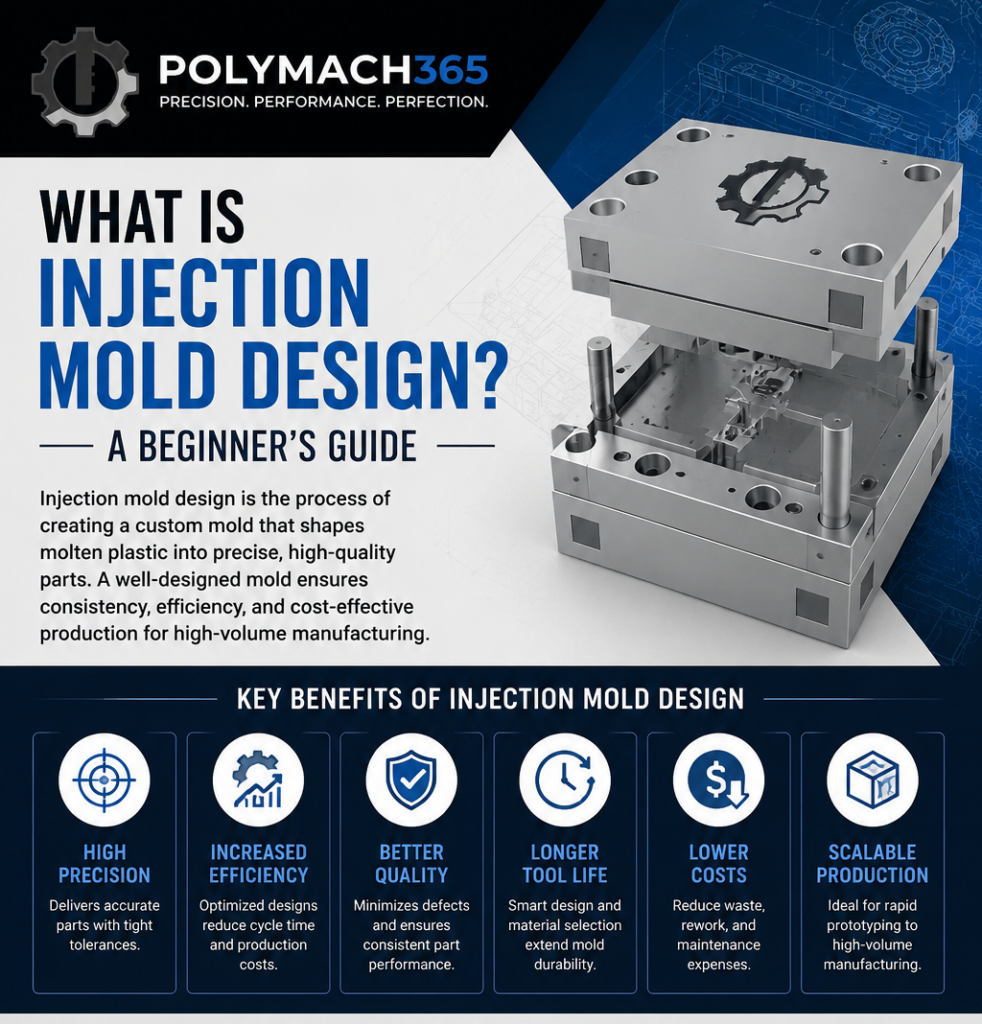
Understanding Injection Mold Design for Modern Manufacturing In today’s manufacturing industry, plastic products are everywhere—from automotive components and medical devices to consumer goods and electronic enclosures. However, producing these parts efficiently requires more than just an idea or a CAD model. It requires a well-engineered mold. Therefore, Injection Mold Design is one of the most critical steps in the plastic manufacturing process. At Polymach365, we provide professional Injection Mold Design Services, helping manufacturers transform product concepts into high-performance production tools. Whether you’re developing a new product or preparing for mass production, understanding injection mold design is essential for achieving quality, consistency, and cost-effective manufacturing. This beginner’s guide explains what injection mold design is, how it works, and why it plays a vital role in successful plastic injection molding. What Is Injection Mold Design? Injection mold design is the engineering process of creating a mold that shapes molten plastic into a finished product. The mold acts as a precision tool that contains the cavity and core needed to form the desired part shape. During production, molten plastic is injected into the mold cavity, cooled, and then ejected as a finished component. Therefore, the quality of the mold directly affects the quality, accuracy, and consistency of every part produced. A properly designed injection mold ensures: ✔ Accurate part dimensions ✔ Consistent production quality ✔ Faster cycle times ✔ Reduced manufacturing defects ✔ Longer mold life ✔ Lower production costs As a result, manufacturers can achieve reliable, high-volume production with minimal waste. Why Is Injection Mold Design Important? Many manufacturing issues originate from poor mold design. Therefore, investing in professional mold design helps prevent costly production problems before they occur. A well-designed mold can: Improve part quality Reduce cycle times Prevent warping and sink marks Minimize material waste Increase production efficiency Extend tooling lifespan Furthermore, proper mold design reduces the risk of defects such as short shots, flash, weld lines, and warpage, which commonly occur when molds are not optimized correctly. How Does Injection Mold Design Work? The mold design process begins long before manufacturing starts. Therefore, engineers must carefully analyze the product design, material requirements, and production goals. 1. Product Design Review The process starts with evaluating the 3D CAD model of the part. Engineers review dimensions, wall thickness, draft angles, ribs, bosses, and other features to ensure the design is suitable for injection molding. As a result, potential manufacturing issues can be identified early. 2. Mold Flow Analysis Engineers often perform mold flow simulations to understand how molten plastic will fill the cavity. This analysis helps optimize: Gate locations Material flow Cooling performance Air venting Shrinkage control Consequently, manufacturers can reduce defects and improve production efficiency. 3. Core and Cavity Design The mold is divided into two primary sections: Core The core forms the internal features of the plastic component. Cavity The cavity forms the external shape of the part. Together, these components create the final geometry of the molded product. 4. Cooling System Design Efficient cooling is essential because cooling time often represents the largest portion of the molding cycle. Therefore, mold designers strategically place cooling channels to: ✔ Maintain uniform temperatures ✔ Reduce cycle times ✔ Improve part quality ✔ Prevent warping Proper cooling design directly improves productivity and mold performance. 5. Ejection System Design After the plastic cools, the part must be removed safely from the mold. Therefore, designers incorporate ejection systems such as: Ejector pins Sleeves Stripper plates As a result, parts can be removed efficiently without damage. Key Components of an Injection Mold Understanding the main mold components helps explain how injection molds function. 🔩 Core and Cavity These components create the final shape of the plastic part. ⚙️ Sprue, Runners, and Gates These channels guide molten plastic from the injection machine into the mold cavity. Sprue The main channel that carries molten plastic into the mold. Runner Secondary channels that distribute material throughout the mold. Gate The entry point where molten plastic enters the cavity. 🛠 Guide Pins and Bushings These components ensure precise alignment between mold halves during each production cycle. ❄ Cooling Channels Cooling systems regulate mold temperature and improve production efficiency. 🔧 Ejection System Ejector pins and mechanisms safely remove finished parts from the mold. Important Design Considerations for Injection Molds Successful mold design requires careful attention to several engineering principles. Draft Angles Draft angles are slight tapers added to part walls to help components release from the mold after cooling. Without proper draft angles, parts may stick inside the mold, causing damage and production issues. Most molded parts require some degree of draft for proper ejection. Benefits of Draft Angles ✔ Easier part ejection ✔ Reduced mold wear ✔ Improved surface quality ✔ Faster production cycles Wall Thickness Uniform wall thickness helps maintain consistent cooling and reduces defects. Therefore, designers avoid sudden thickness variations whenever possible. Benefits ✔ Reduced warpage ✔ Improved strength ✔ Better dimensional stability ✔ Faster cooling Gate Location Gate placement significantly affects material flow and final part quality. Therefore, designers carefully select gate positions to: Minimize weld lines Improve filling Reduce stress concentrations Enhance cosmetic appearance Material Selection Different plastics behave differently during molding. Common injection molding materials include: ABS Polypropylene (PP) Polycarbonate (PC) Nylon PEEK Acetal (Delrin) Therefore, mold design must account for material shrinkage, flow characteristics, and cooling requirements. Common Applications of Injection Mold Design Injection mold design supports numerous industries across Canada. 🚗 Automotive Industry Interior trim, housings, dashboards, clips, and functional components. 🏥 Medical Device Manufacturing Diagnostic equipment, surgical tools, and healthcare products. 📦 Packaging Industry Caps, containers, closures, and packaging solutions. 💻 Electronics Industry Enclosures, connectors, and protective housings. 🧴 Consumer Products Household items, personal care products, and retail goods. Consequently, injection mold design remains one of the most important engineering disciplines in modern manufacturing. Why Choose Polymach365 for Injection Mold Design Services? At Polymach365, we combine advanced engineering expertise with modern manufacturing technologies to deliver high-performance mold designs optimized for production success. Our Capabilities Include: ✔ Injection Mold Design Services
Rapid Prototyping Services in Canada: Everything You Need to Know
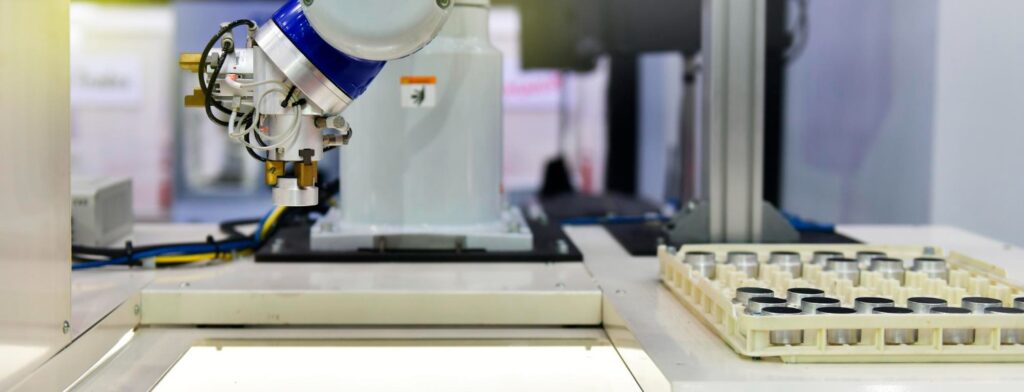
Accelerate Product Development with Professional Rapid Prototyping Solutions In today’s highly competitive manufacturing landscape, speed, innovation, and product quality are essential for success. Therefore, businesses across Canada are increasingly investing in Rapid Prototyping Services to reduce development time, lower production risks, and bring products to market faster. Whether you are developing a new consumer product, industrial component, medical device, or automotive part, rapid prototyping allows you to test, validate, and refine designs before full-scale production begins. At Polymach365, we provide advanced Rapid Prototyping Services in Canada that help manufacturers, engineers, startups, and product developers transform ideas into functional prototypes quickly and cost-effectively. From CNC machining and 3D printing to low-volume production, we deliver precision prototypes that accelerate innovation and improve product performance. What Is Rapid Prototyping? Rapid prototyping is a manufacturing process used to create physical models or functional prototypes directly from digital CAD designs. Instead of waiting weeks or months for traditional tooling and production, manufacturers can quickly produce prototype parts for testing, evaluation, and design verification. Therefore, rapid prototyping enables businesses to identify design flaws early, reduce development costs, and improve final product quality before mass production begins. Key Objectives of Rapid Prototyping ✔ Validate product designs ✔ Test functionality and performance ✔ Improve manufacturability ✔ Reduce development risks ✔ Accelerate time-to-market ✔ Gather customer feedback As a result, companies can make informed design decisions and launch products with greater confidence. Why Rapid Prototyping Is Important for Modern Manufacturing Product development is becoming increasingly complex. Therefore, manufacturers must evaluate designs quickly and efficiently before investing in production tooling. Rapid prototyping helps companies: Reduce product development cycles Minimize costly design errors Improve engineering accuracy Accelerate innovation Reduce overall manufacturing costs Furthermore, businesses that implement rapid prototyping often gain a competitive advantage because they can respond faster to market demands and customer requirements. Benefits of Rapid Prototyping Services 1. Faster Product Development Traditional product development can take months before a physical model becomes available. However, rapid prototyping significantly shortens this process. Therefore, engineers can evaluate designs within days instead of weeks. Benefits Include: ✔ Faster design validation ✔ Quicker engineering revisions ✔ Reduced project timelines ✔ Accelerated product launches As a result, companies reach the market faster and stay ahead of competitors. 2. Reduced Development Costs Design errors discovered during production can be extremely expensive. Therefore, rapid prototyping allows manufacturers to identify and correct issues early. Cost-Saving Advantages ✔ Fewer engineering changes ✔ Reduced tooling modifications ✔ Lower production risks ✔ Improved resource utilization Consequently, businesses save money throughout the product development process. 3. Improved Product Quality Physical prototypes allow engineers to test functionality, fit, assembly, and performance before manufacturing begins. Therefore, teams can optimize designs and improve product reliability. Quality Improvements ✔ Better dimensional accuracy ✔ Enhanced functionality ✔ Improved ergonomics ✔ Greater product reliability As a result, manufacturers deliver higher-quality products to customers. 4. Better Design Verification Digital models are valuable, but physical prototypes provide real-world validation. Therefore, engineers can evaluate: Form Fit Function Assembly requirements Material performance Consequently, potential issues are identified and resolved before production begins. 5. Enhanced Customer and Investor Presentations A physical prototype helps stakeholders visualize the final product more effectively than digital renderings alone. Applications Include ✔ Investor presentations ✔ Product demonstrations ✔ Marketing evaluations ✔ Customer feedback sessions As a result, businesses communicate ideas more effectively and secure project approvals faster. Rapid Prototyping Technologies Offered by Polymach365 At Polymach365, we offer multiple rapid prototyping solutions tailored to your specific project requirements. 🔩 CNC Machining Prototypes CNC machining produces highly accurate and functional prototypes using production-grade materials. Ideal For: Mechanical testing Functional validation Tight-tolerance components Metal and plastic prototypes Because CNC machining uses the same materials as production parts, it provides highly realistic testing results. 🖨️ 3D Printing Prototypes 3D printing enables rapid production of complex geometries directly from CAD files. Advantages ✔ Fast turnaround ✔ Complex designs ✔ Cost-effective iterations ✔ Design visualization Therefore, 3D printing is ideal for concept models and early-stage product development. ⚙️ Low-Volume Prototype Manufacturing After prototype approval, businesses often require small production runs before mass manufacturing. Therefore, Polymach365 provides bridge production and low-volume manufacturing solutions that help companies transition smoothly from prototype to production. Materials Available for Rapid Prototyping We manufacture prototypes using a wide range of engineering-grade materials. Metal Materials Aluminum Stainless Steel Brass Copper Tool Steel Titanium Plastic Materials ABS Nylon Delrin (Acetal) Polycarbonate PEEK PTFE As a result, customers can test products using materials that closely match final production requirements. Industries We Serve Across Canada Rapid prototyping supports a wide variety of industries. 🚗 Automotive Manufacturing Prototype components for engines, interiors, housings, and tooling systems. ✈️ Aerospace Manufacturing Precision prototypes for structural and performance-critical applications. 🏥 Medical Device Manufacturing Functional prototypes for healthcare products and medical equipment. 💻 Electronics & Technology Prototype enclosures, connectors, and technical assemblies. 🏭 Industrial Manufacturing Custom machine components, fixtures, and automation systems. 🧴 Consumer Products Product development for household, retail, and lifestyle products. How the Rapid Prototyping Process Works At Polymach365, we simplify the prototyping process to help customers move quickly from concept to reality. 1. Upload Your CAD Design Submit your 3D CAD model and project requirements. 2. Design Review & DFM Analysis Our engineering team reviews the design for manufacturability and performance optimization. 3. Material Selection We recommend the most suitable material based on functionality and testing requirements. 4. Prototype Manufacturing We manufacture your prototype using CNC machining, 3D printing, or low-volume production methods. 5. Quality Inspection & Delivery Every prototype undergoes dimensional verification before shipment. As a result, you receive high-quality prototypes ready for testing and evaluation. Why Choose Polymach365 for Rapid Prototyping Services in Canada? At Polymach365, we combine advanced manufacturing technologies with engineering expertise to help businesses accelerate product development. Our Capabilities Include: ✔ Rapid Prototyping Services ✔ CNC Machining Prototypes ✔ 3D Printing Prototypes ✔ 5-Axis CNC Machining ✔ Low-Volume Production ✔ Custom Manufacturing Solutions ✔ Engineering & DFM Support ✔ Quality Inspection & Testing ✔ Fast Turnaround Times Moreover, our streamlined
5-Axis CNC Machining vs 3-Axis Machining: Key Differences Explained
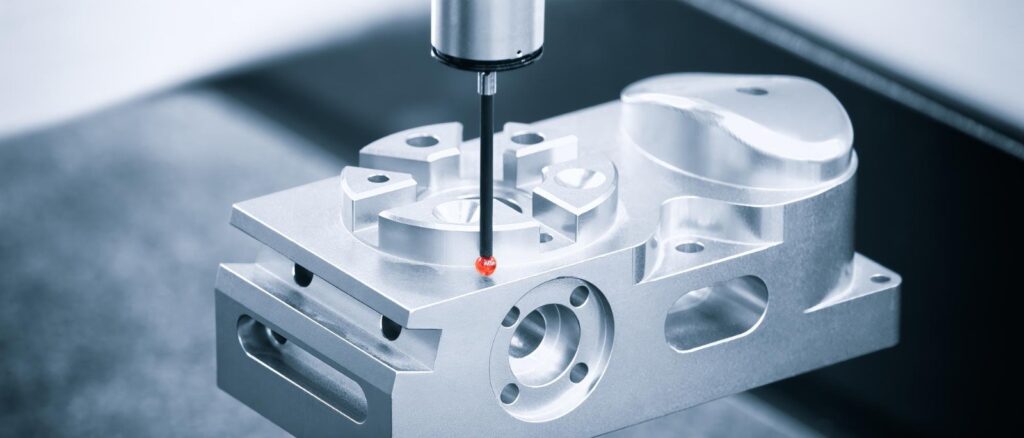
A Complete Guide for Manufacturers in Canada In today’s advanced manufacturing environment, choosing the right machining process can significantly impact product quality, production speed, and overall manufacturing costs. Therefore, understanding the differences between 5-Axis CNC Machining and 3-Axis CNC Machining is essential for engineers, product designers, and manufacturers looking to optimize production efficiency. At Polymach365, we provide both 3-axis and 5-axis CNC machining solutions for manufacturers across Canada. Whether you need rapid prototypes, low-volume production, complex aerospace components, or high-precision industrial parts, selecting the right machining technology can improve accuracy, reduce lead times, and lower overall production costs. However, many manufacturers ask the same question: Is 5-axis CNC machining always better than 3-axis machining? The answer depends on your part complexity, budget, tolerance requirements, and production goals. What Is 3-Axis CNC Machining? 3-axis CNC machining is the most common machining method used in manufacturing today. In this process, the cutting tool moves along three linear axes: X-Axis (Left to Right) Y-Axis (Front to Back) Z-Axis (Up and Down) The workpiece remains fixed while the cutting tool removes material to create the desired shape. As a result, 3-axis machining is ideal for manufacturing flat surfaces, pockets, holes, and relatively simple geometries. Common Applications of 3-Axis Machining Machine brackets Mounting plates Electronic enclosures Mold bases Industrial components Simple tooling parts Therefore, 3-axis machining remains a cost-effective solution for many manufacturing projects. What Is 5-Axis CNC Machining? 5-axis CNC machining builds upon traditional 3-axis machining by adding two additional rotational axes. These extra movements allow the cutting tool or workpiece to approach the part from multiple angles without repositioning. Additional Axes Include: A-Axis (Rotation around X-axis) B-Axis (Rotation around Y-axis) As a result, 5-axis machines can manufacture highly complex geometries, deep cavities, angled features, and intricate surfaces in a single setup. Common Applications of 5-Axis Machining Aerospace components Medical implants Turbine blades Injection mold components Automotive performance parts Complex industrial tooling Consequently, industries requiring exceptional precision and complex geometries frequently rely on 5-axis machining. Key Differences Between 3-Axis and 5-Axis CNC Machining Feature 3-Axis CNC Machining 5-Axis CNC Machining Number of Axes X, Y, Z X, Y, Z + A + B Part Complexity Simple to Moderate Highly Complex Setup Requirements Multiple Setups Single Setup Production Speed Moderate Faster for Complex Parts Precision High Extremely High Surface Finish Excellent Superior Programming Complexity Simple Advanced Machine Cost Lower Higher Ideal For Flat and Prismatic Parts Multi-Sided and Complex Parts The primary difference is that 5-axis machining allows the cutting tool to approach the workpiece from multiple angles without manual repositioning. Therefore, manufacturers can machine more features in fewer setups while improving accuracy. Advantages of 3-Axis CNC Machining Although 5-axis technology receives significant attention, 3-axis machining remains highly effective for many projects. ✔ Lower Manufacturing Costs 3-axis machines are less expensive to operate and program. Therefore, they are often the most economical choice for straightforward parts. ✔ Faster Setup for Simple Parts Because programming and fixturing are less complex, manufacturers can begin production quickly. ✔ Easier Operation 3-axis machining requires less advanced programming and machine setup expertise. Consequently, production workflows remain straightforward. ✔ Excellent for Standard Components Many industrial parts do not require multi-axis capabilities. Therefore, 3-axis machining provides an ideal balance of quality and cost. Advantages of 5-Axis CNC Machining For complex projects, 5-axis machining offers significant advantages. ✔ Machine Complex Geometries The additional rotational axes allow manufacturers to create intricate shapes, undercuts, and multi-surface features that are difficult or impossible to achieve with traditional machining. ✔ Fewer Setups A complex part that requires multiple setups on a 3-axis machine can often be completed in a single setup on a 5-axis machine. Consequently, production becomes faster and more accurate. ✔ Improved Accuracy Every time a part is repositioned, there is potential for alignment errors. Therefore, fewer setups lead to greater dimensional accuracy and consistency. ✔ Better Surface Finishes Shorter tool lengths and optimized cutting angles reduce vibration during machining. As a result, 5-axis machining often produces superior surface finishes. ✔ Reduced Production Time By machining multiple faces in a single operation, manufacturers significantly reduce non-cutting time and improve productivity. When Should You Choose 3-Axis CNC Machining? Choose 3-axis machining when your project includes: ✔ Flat surfaces ✔ Simple contours ✔ Standard industrial components ✔ Lower production budgets ✔ Basic machining requirements ✔ Low to moderate complexity parts Because of its lower operational cost, 3-axis machining remains the preferred option for many manufacturing applications. When Should You Choose 5-Axis CNC Machining? Choose 5-axis machining when your project requires: ✔ Complex geometries ✔ Tight tolerances ✔ Multi-sided machining ✔ Deep cavities ✔ Aerospace-grade precision ✔ High-performance tooling ✔ Reduced setup time ✔ Superior surface finishes Therefore, manufacturers producing advanced components often achieve greater efficiency and quality through 5-axis machining. Cost Comparison: 3-Axis vs 5-Axis Machining One common misconception is that 5-axis machining is always more expensive. While 5-axis machines require a higher initial investment and more advanced programming, they often reduce overall manufacturing costs for complex parts by eliminating multiple setups, reducing labor requirements, and minimizing errors. Conversely, 3-axis machining remains more cost-effective for simpler components. Therefore, the most cost-effective option depends on the complexity of your part rather than the machine itself. Industries That Benefit from 5-Axis CNC Machining ✈️ Aerospace Manufacturing Complex turbine blades, engine components, and structural parts require multi-axis precision. 🏥 Medical Device Manufacturing Implants and surgical instruments demand tight tolerances and exceptional surface finishes. 🚗 Automotive Manufacturing High-performance engine and transmission components benefit from advanced machining capabilities. 🏭 Industrial Manufacturing Complex molds, dies, fixtures, and tooling systems require precise multi-surface machining. Why Choose Polymach365 for CNC Machining Services in Canada? At Polymach365, we combine advanced CNC technology, engineering expertise, and digital manufacturing solutions to provide high-quality machining services for businesses across Canada. Our CNC Machining Capabilities Include: ✔ 3-Axis CNC Machining ✔ 5-Axis CNC Machining ✔ CNC Milling Services ✔ CNC Turning Services ✔ Rapid Prototyping ✔ Low-Volume Production ✔ Production Manufacturing ✔ Custom CNC Machining Solutions ✔ Engineering &
Top 10 Benefits of Precision CNC Machining for Industrial Manufacturing
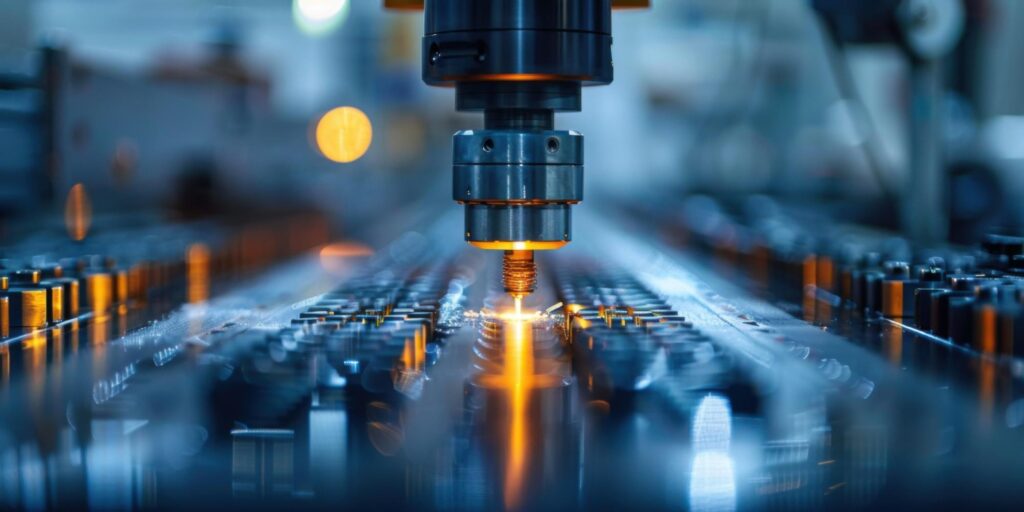
Why Precision CNC Machining Is Essential for Modern Manufacturing Success In today’s highly competitive industrial landscape, manufacturers must produce high-quality components quickly, accurately, and cost-effectively. Therefore, precision CNC machining has become one of the most important manufacturing technologies across industries such as automotive, aerospace, medical devices, electronics, energy, and industrial equipment. By combining advanced automation, computer-controlled accuracy, and repeatable manufacturing processes, CNC machining helps companies improve product quality while reducing production costs. At Polymach365, we provide advanced Precision CNC Machining Services that help manufacturers across Canada achieve exceptional accuracy, faster production cycles, and superior product performance. Whether you require rapid prototyping, low-volume production, or full-scale manufacturing, CNC machining delivers the precision and reliability needed for modern industrial applications. In this guide, we explore the Top 10 Benefits of Precision CNC Machining for Industrial Manufacturing and explain why businesses continue to rely on this technology for critical production requirements. 1. Exceptional Accuracy and Precision One of the biggest advantages of CNC machining is its ability to produce highly accurate components with tight tolerances. Unlike manual machining processes, CNC machines operate using computer-generated instructions that eliminate inconsistencies and human error. Key Benefits: ✔ Tight tolerances ✔ Superior dimensional accuracy ✔ Consistent measurements ✔ Precise feature replication As a result, manufacturers can produce components that fit perfectly into complex assemblies and meet strict engineering requirements. 2. Consistent Product Quality Consistency is critical in industrial manufacturing. Therefore, CNC machining uses automated programming to ensure every component is produced according to the same specifications. Whether manufacturing 10 parts or 10,000 parts, CNC machining delivers repeatable results throughout the entire production run. Advantages: ✔ Uniform production quality ✔ Reduced variation ✔ Reliable performance ✔ Improved customer satisfaction Consequently, manufacturers reduce defects and maintain higher quality standards. 3. Faster Production Cycles Modern CNC machines operate continuously and efficiently. Therefore, manufacturers can significantly reduce production times compared to traditional machining methods. Advanced CNC equipment automates cutting, drilling, milling, and turning operations, which minimizes manual intervention and increases productivity. Benefits: ✔ Reduced lead times ✔ Faster product launches ✔ Increased production capacity ✔ Improved workflow efficiency As a result, businesses can bring products to market faster and gain a competitive advantage. 4. Ability to Machine Complex Geometries Industrial components often require intricate shapes, detailed features, and complex geometries that are difficult or impossible to create manually. Fortunately, advanced 3-axis, 4-axis, and 5-axis CNC machining systems can manufacture highly complex components with exceptional accuracy. Applications Include: Aerospace components Medical devices Mold components Automotive parts Industrial tooling Therefore, manufacturers can produce sophisticated designs without compromising quality. 5. Cost-Effective Manufacturing Although CNC machining utilizes advanced technology, it often reduces overall manufacturing costs. Because CNC systems automate production and minimize material waste, manufacturers benefit from improved efficiency and reduced labor expenses. Cost-Saving Advantages: ✔ Lower labor costs ✔ Reduced material waste ✔ Fewer production errors ✔ Minimal rework requirements Consequently, businesses achieve higher profitability while maintaining superior product quality. 6. Wide Range of Material Compatibility Precision CNC machining supports an extensive range of engineering materials. Therefore, manufacturers can select materials based on performance requirements rather than manufacturing limitations. Common Metal Materials Aluminum Stainless Steel Brass Copper Titanium Tool Steel Common Plastic Materials ABS Nylon Delrin (Acetal) Polycarbonate PEEK PTFE As a result, CNC machining supports applications across virtually every industrial sector. 7. Enhanced Safety and Reliability Traditional machining processes often require extensive manual operation, increasing safety risks. However, CNC machining relies on automated systems that reduce operator interaction during production. Safety Benefits: ✔ Reduced workplace accidents ✔ Automated operations ✔ Improved machine monitoring ✔ Consistent production control Therefore, manufacturers create safer working environments while improving operational reliability. 8. Scalability from Prototyping to Production One major advantage of CNC machining is its scalability. The same process used for prototype development can also support low-volume and full-scale production. Manufacturing Flexibility: ✔ Rapid prototyping ✔ Bridge manufacturing ✔ Low-volume production ✔ High-volume manufacturing Consequently, manufacturers can transition seamlessly from product development to commercial production without changing suppliers or processes. 9. Superior Surface Finishes Many industrial applications require smooth surfaces and precise finishes. Therefore, CNC machining delivers excellent surface quality directly from the machine. Surface Finish Benefits: ✔ Improved appearance ✔ Better performance ✔ Reduced post-processing ✔ Enhanced durability As a result, manufacturers save time and reduce finishing costs while maintaining premium-quality products. 10. Supports Industry 4.0 and Smart Manufacturing Modern CNC machining integrates seamlessly with digital manufacturing systems, CAD/CAM software, automation technologies, and Industry 4.0 initiatives. Smart Manufacturing Advantages: ✔ Digital production workflows ✔ Real-time monitoring ✔ Automated process control ✔ Improved production analytics ✔ Enhanced manufacturing efficiency Therefore, businesses can optimize production while maintaining complete control over quality and performance. Industries That Benefit from Precision CNC Machining Precision CNC machining supports a wide range of industrial sectors across Canada. 🚗 Automotive Manufacturing Production of engine components, transmission parts, brackets, and tooling systems. ✈️ Aerospace Manufacturing High-precision components requiring strict tolerances and exceptional reliability. 🏥 Medical Device Manufacturing Surgical instruments, implants, and medical equipment components. 🏭 Industrial Equipment Custom machinery parts, production tooling, and automation components. 💻 Electronics & Technology Electronic housings, connectors, and precision assemblies. 🛢 Energy & Power Generation Critical components designed for demanding operating environments. Why Manufacturers Choose Polymach365 for Precision CNC Machining At Polymach365, we combine advanced machining technology with engineering expertise to deliver reliable manufacturing solutions for businesses across Canada. Our CNC Machining Capabilities Include: ✔ CNC Milling Services ✔ CNC Turning Services ✔ 5-Axis CNC Machining ✔ Rapid Prototyping ✔ Low-Volume Production ✔ Production Manufacturing ✔ Custom CNC Machining Solutions ✔ Engineering & DFM Support ✔ Quality Inspection & Testing Moreover, our digital manufacturing platform allows customers to upload CAD files, receive fast quotations, and move quickly from concept to production. As a result, businesses achieve faster turnaround times, improved product quality, and reduced manufacturing costs. Conclusion Precision CNC machining has transformed modern industrial manufacturing by delivering unmatched accuracy, consistency, efficiency, and scalability. Therefore, manufacturers across Canada continue to rely on CNC machining for mission-critical production requirements. From reducing
How to Reduce CNC Machining Costs Without Compromising Quality
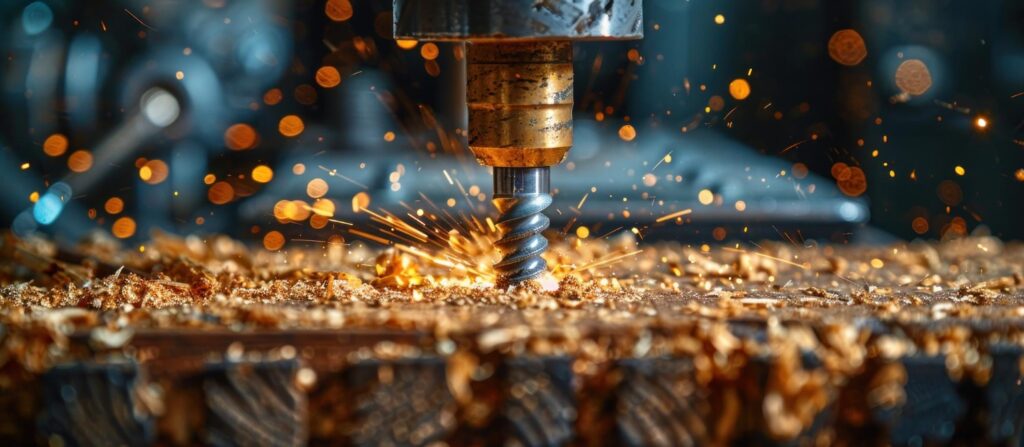
A Complete Cost-Saving Guide for Manufacturers in Canada In today’s competitive manufacturing industry, controlling production costs is essential for maintaining profitability and staying ahead of the competition. However, reducing costs should never come at the expense of product quality. Therefore, manufacturers need smart strategies that lower CNC machining expenses while maintaining precision, performance, and reliability. At Polymach365, we help Canadian manufacturers optimize their CNC machining projects through intelligent design, material selection, and advanced manufacturing processes. Whether you need rapid prototypes, low-volume production, or large-scale manufacturing, understanding the factors that drive machining costs can help you achieve significant savings without sacrificing quality. The good news is that most CNC machining costs are influenced long before production begins. By making informed decisions during the design and planning stages, manufacturers can reduce costs while maintaining exceptional part performance. Understanding What Drives CNC Machining Costs Before reducing costs, it is important to understand what affects CNC machining pricing. Several factors influence the total cost of CNC machined parts, including: Material selection Part complexity Machining time Tolerances Surface finish requirements Setup time Production volume Secondary operations Consequently, optimizing these factors can significantly reduce manufacturing expenses while maintaining quality standards. 1. Optimize Your Design for Manufacturability (DFM) One of the most effective ways to reduce CNC machining costs is through Design for Manufacturability (DFM). DFM focuses on designing parts that are easier and faster to manufacture. Therefore, engineers can reduce machining time, tooling requirements, and setup complexity without affecting functionality. DFM Best Practices ✔ Simplify complex geometries ✔ Reduce unnecessary features ✔ Minimize deep pockets and cavities ✔ Avoid difficult-to-machine shapes ✔ Reduce the number of setups required Furthermore, manufacturers who apply DFM principles early often achieve substantial cost savings while improving production efficiency. 2. Choose the Right Material Material selection directly impacts CNC machining costs. Many manufacturers automatically choose premium materials when more cost-effective alternatives can provide similar performance. Therefore, evaluating material requirements carefully can reduce both material and machining expenses. Cost-Effective Material Options Metals Aluminum Brass Mild Steel Engineering Plastics ABS Delrin (Acetal) Nylon Polycarbonate For example, aluminum machines faster than stainless steel and typically requires less tool wear. As a result, manufacturers often reduce machining costs while maintaining excellent performance. 3. Avoid Overly Tight Tolerances Many engineers specify tight tolerances for every feature even when they are not required. However, tighter tolerances increase machining time, inspection requirements, and production costs. Therefore, manufacturers should apply precision only where functionally necessary. Smart Tolerance Strategy Use tight tolerances only on critical features. Allow standard tolerances on non-functional surfaces. Review tolerance requirements during design. As a result, machining becomes faster, more efficient, and more affordable without affecting part performance. 4. Reduce Part Complexity Complex parts often require additional machining operations, specialized tooling, and longer cycle times. Therefore, simplifying part geometry is one of the fastest ways to lower manufacturing costs. Design Features That Increase Costs ❌ Deep pockets ❌ Thin walls ❌ Sharp internal corners ❌ Complex contours ❌ Multiple machining orientations Instead, engineers should incorporate machining-friendly features whenever possible. Consequently, manufacturers reduce production time while maintaining structural integrity and functionality. 5. Use Standard Tool Sizes Custom tooling often increases machining costs significantly. Therefore, designing parts around standard cutting tools allows manufacturers to reduce setup time and tooling expenses. Examples Standard hole diameters Standard thread sizes Standard corner radii Common slot widths As a result, machining operations become faster and more cost-efficient. 6. Minimize Deep Cavities and Thin Walls Deep cavities and thin walls increase machining complexity. For example, deep pockets require longer cutting tools, while thin walls often require multiple machining passes to prevent vibration and deformation. Recommended Design Guidelines Limit cavity depth whenever possible. Increase wall thickness where practical. Avoid extremely narrow features. Consequently, machining becomes more stable, accurate, and cost-effective. 7. Consolidate Multiple Parts into One Assembly In some cases, combining multiple components into a single machined part can reduce manufacturing costs. Benefits include: ✔ Fewer setups ✔ Reduced assembly time ✔ Lower inventory requirements ✔ Simplified quality control Therefore, thoughtful part consolidation can generate long-term cost savings while improving overall product reliability. 8. Order Parts in Larger Quantities Production volume has a major impact on unit pricing. Because setup, programming, and fixturing costs are spread across more parts, larger production runs typically result in lower per-part costs. Benefits of Batch Production Lower unit cost Reduced setup expenses Improved production efficiency Faster repeat manufacturing In fact, increasing order quantities can dramatically reduce per-part costs because fixed setup expenses are distributed across larger batches. 9. Limit Secondary Operations Secondary operations such as polishing, anodizing, plating, grinding, and coating add cost to every project. Therefore, manufacturers should specify additional finishing processes only when required for performance, appearance, or regulatory compliance. Consider Carefully Surface roughness requirements Cosmetic finishes Protective coatings Heat treatments As a result, companies avoid unnecessary manufacturing expenses while maintaining product functionality. 10. Partner with an Experienced CNC Machining Provider Working with an experienced machining partner can significantly reduce costs. At Polymach365, our engineering team provides DFM feedback before production begins. Therefore, customers identify cost-saving opportunities early and avoid expensive redesigns later. Benefits of Expert Manufacturing Support ✔ Design optimization ✔ Material recommendations ✔ Process selection guidance ✔ Reduced machining time ✔ Improved production efficiency Consequently, customers receive high-quality parts at competitive prices. How Polymach365 Helps Reduce CNC Machining Costs At Polymach365, we combine advanced manufacturing technology with engineering expertise to help Canadian manufacturers reduce costs while maintaining exceptional quality. Our CNC Machining Services Include ✔ CNC Milling Services ✔ CNC Turning Services ✔ 5-Axis CNC Machining ✔ Rapid Prototyping ✔ Low-Volume Production ✔ Production Manufacturing ✔ Engineering & DFM Support ✔ Quality Inspection & Testing Moreover, our digital manufacturing platform enables customers to upload CAD files, receive fast quotations, and optimize designs before production begins. As a result, manufacturers achieve faster lead times, lower costs, and superior product quality. Final Thoughts Reducing CNC machining costs does not mean sacrificing quality. Instead, manufacturers should focus on smarter design decisions, efficient material selection, optimized
CNC Milling vs CNC Turning: Which Process Is Best for Your Project?
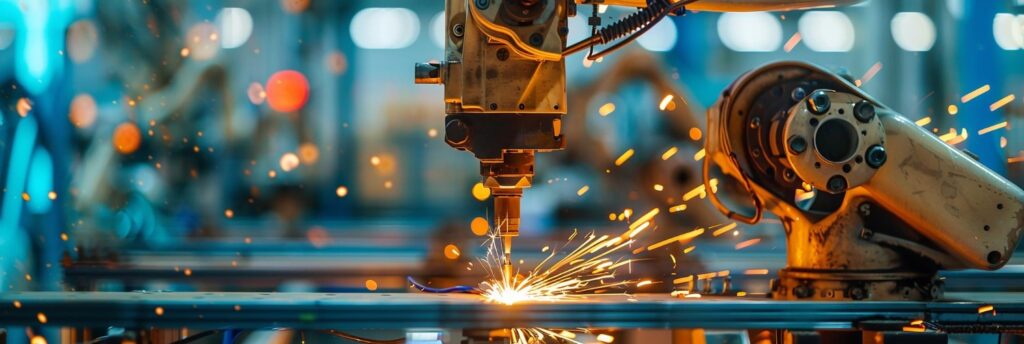
A Complete Guide for Manufacturers in Canada In today’s fast-paced manufacturing industry, choosing the right machining process can significantly impact product quality, production speed, and overall manufacturing costs. Therefore, understanding the differences between CNC milling and CNC turning is essential for engineers, product designers, and manufacturers across Canada. At Polymach365, we provide both CNC milling and CNC turning services to help businesses produce high-quality components with exceptional precision. Whether you need complex prototypes, low-volume production, or large-scale manufacturing, selecting the right process ensures optimal performance and cost efficiency. However, many manufacturers ask the same question: Should I choose CNC milling or CNC turning? The answer depends on your part geometry, design complexity, production volume, and project requirements. What Is CNC Milling? CNC milling is a precision machining process where rotating cutting tools remove material from a stationary workpiece. The cutting tool moves across multiple axes to create complex shapes, pockets, slots, contours, and detailed features. As a result, CNC milling is ideal for manufacturing components with intricate geometries and tight tolerances. Moreover, modern CNC milling machines can operate on 3-axis, 4-axis, and 5-axis configurations, allowing manufacturers to produce highly complex parts with exceptional accuracy. Common CNC Milling Applications Engine housings Aerospace components Medical devices Injection mold components Machine parts Electronic enclosures Tooling and fixtures Therefore, CNC milling is often the preferred choice when projects require complex designs and multi-dimensional machining. What Is CNC Turning? CNC turning is a machining process where the workpiece rotates while a stationary cutting tool removes material. This process is performed on a CNC lathe and is specifically designed for producing cylindrical and rotationally symmetrical components. As a result, CNC turning delivers exceptional accuracy, surface finish, and production efficiency for round parts. Furthermore, CNC turning is highly effective for high-volume manufacturing because the continuous rotation of the workpiece enables faster machining cycles. Common CNC Turning Applications Shafts Bushings Pins Rollers Fasteners Couplings Hydraulic fittings Threaded components Consequently, CNC turning is the ideal solution for manufacturing round or cylindrical parts quickly and cost-effectively. CNC Milling vs CNC Turning: Key Differences Although both processes are part of CNC machining, they operate differently and serve different manufacturing needs. Feature CNC Milling CNC Turning Workpiece Movement Fixed workpiece Rotating workpiece Tool Movement Rotating cutting tool Stationary cutting tool Best For Complex shapes and contours Cylindrical and symmetrical parts Machine Type CNC Milling Machine CNC Lathe Complexity High Moderate Production Speed Moderate Fast for round parts Surface Finish Excellent Superior on cylindrical surfaces Multi-Axis Capability 3, 4, and 5-axis machining Primarily 2-axis, advanced turn-mill available The primary difference is that CNC milling uses a rotating tool against a fixed workpiece, while CNC turning rotates the workpiece against a cutting tool. Therefore, each process excels in different applications. When Should You Choose CNC Milling? CNC milling is the best option when your project involves complex geometries, detailed features, or multiple machining angles. Choose CNC Milling If You Need: ✔ Complex 3D shapes ✔ Pockets and cavities ✔ Deep grooves and slots ✔ Flat surfaces ✔ Multi-sided machining ✔ Injection mold components ✔ Aerospace and medical parts Furthermore, advanced 5-axis CNC milling allows manufacturers to machine intricate parts in a single setup, reducing production time and improving accuracy. Benefits of CNC Milling Exceptional design flexibility High dimensional accuracy Complex geometry capability Multi-axis machining Wide material compatibility As a result, CNC milling is widely used for precision engineering applications requiring intricate designs. When Should You Choose CNC Turning? CNC turning is the preferred solution when manufacturing cylindrical or rotationally symmetrical parts. Choose CNC Turning If You Need: ✔ Shafts ✔ Bushings ✔ Pins ✔ Rollers ✔ Threaded components ✔ High-volume production ✔ Smooth cylindrical finishes Because the workpiece rotates continuously, CNC turning often delivers faster cycle times and lower manufacturing costs for round components. Consequently, it is highly efficient for production environments. Benefits of CNC Turning Faster production cycles Excellent surface finishes Tight diameter tolerances Cost-effective production Ideal for high-volume manufacturing Therefore, CNC turning remains one of the most efficient methods for producing precision cylindrical components. Can CNC Milling and CNC Turning Be Combined? Absolutely. Many modern manufacturing projects require both CNC milling and CNC turning operations. Therefore, advanced turn-mill centers combine both processes into a single machine. For example: A shaft may require turning for its cylindrical body. The same part may require milled flats, slots, or keyways. Instead of moving the part between multiple machines, turn-mill technology performs both operations in a single setup. As a result, manufacturers reduce setup time, improve accuracy, and lower production costs. Materials Suitable for CNC Milling and Turning At Polymach365, we machine a wide variety of engineering-grade materials. Metals Aluminum Stainless Steel Carbon Steel Brass Copper Titanium Tool Steel Plastics ABS Nylon PEEK Delrin (Acetal) Polycarbonate PTFE (Teflon) Therefore, we can support projects ranging from rapid prototypes to production-ready components. Why Canadian Manufacturers Choose Polymach365 At Polymach365, we combine advanced CNC technology, engineering expertise, and digital manufacturing solutions to help businesses manufacture high-quality components faster and more efficiently. Our Capabilities Include: ✔ CNC Milling Services ✔ CNC Turning Services ✔ 5-Axis Machining ✔ Rapid Prototyping ✔ Low-Volume Production ✔ Production Manufacturing ✔ Custom CNC Machining Solutions ✔ Engineering & DFM Support ✔ Quality Inspection & Testing Moreover, our streamlined workflow allows customers to upload CAD files, receive fast quotations, and move quickly from concept to production. CNC Milling vs CNC Turning: Which Is Best? The best machining process depends entirely on your project requirements. Choose CNC Milling when: Your part has complex shapes Multiple surfaces require machining Precision contours and pockets are needed Choose CNC Turning when: Your part is cylindrical or symmetrical High production efficiency is required Smooth surface finishes are critical In many cases, the most effective solution combines both processes to achieve maximum precision and efficiency. Therefore, working with an experienced manufacturing partner like Polymach365 ensures you select the right process for your application. Partner with Polymach365 for Precision CNC Machining Whether you need CNC milling, CNC turning, or complete custom machining
What Is CNC Machining? A Complete Guide for Manufacturers in Canada
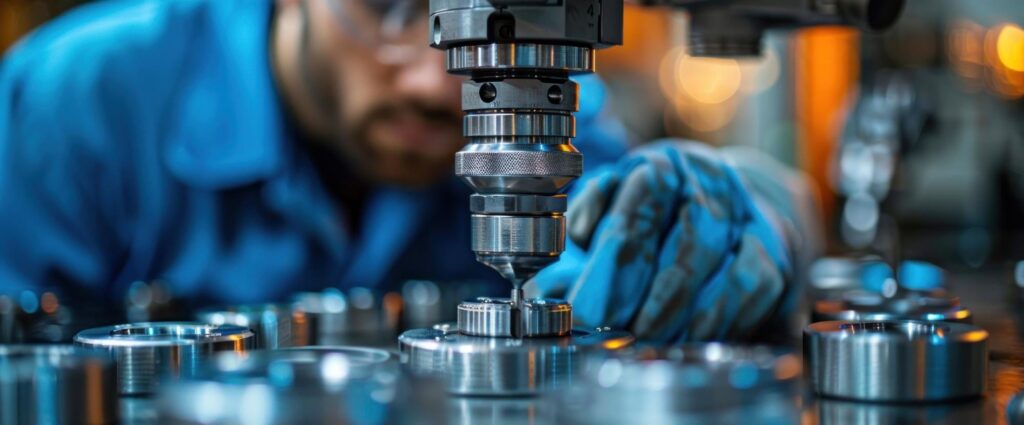
Understanding CNC Machining and Why It Matters in Modern Manufacturing In today’s highly competitive manufacturing industry, businesses need precision, speed, and consistency to stay ahead. Therefore, CNC machining has become one of the most important manufacturing technologies for producing high-quality parts and components. Whether you are developing a prototype, manufacturing custom components, or scaling production, CNC machining offers the accuracy and repeatability required for modern industries. At Polymach365, we provide advanced CNC machining solutions that help manufacturers across Canada transform digital designs into production-ready parts with exceptional precision. From rapid prototyping to low-volume and full-scale production, our CNC machining services deliver reliable results while reducing lead times and manufacturing costs. What Is CNC Machining? CNC machining stands for Computer Numerical Control machining, a manufacturing process that uses computer-controlled machine tools to remove material from a solid workpiece and create highly accurate components. Instead of relying on manual operation, CNC machines follow programmed instructions generated from CAD and CAM software to produce parts with exceptional precision and repeatability. Moreover, CNC machining is considered a subtractive manufacturing process because it removes material from metal, plastic, or composite stock to create the final part. As a result, manufacturers can achieve tight tolerances, excellent surface finishes, and consistent quality across production runs. How Does CNC Machining Work? The CNC machining process follows a structured digital workflow. Therefore, manufacturers can produce complex components efficiently and accurately. 1. CAD Design Creation First, engineers create a 3D model using Computer-Aided Design (CAD) software. This digital model defines the part’s dimensions, geometry, and technical requirements. 2. CAM Programming Next, the CAD model is imported into Computer-Aided Manufacturing (CAM) software. The software generates toolpaths and converts the design into machine-readable instructions known as G-code. Consequently, the CNC machine knows exactly how to manufacture the part. 3. Machine Setup The raw material is securely mounted onto the CNC machine, and the appropriate cutting tools are installed. Therefore, the machine is ready to begin production. 4. Precision Machining The CNC machine follows the programmed instructions and removes material with exceptional accuracy. As a result, the workpiece gradually transforms into the finished component. 5. Inspection & Finishing Finally, the completed part undergoes quality inspection and any required finishing processes such as polishing, anodizing, coating, or assembly. Consequently, customers receive production-ready components that meet exact specifications. Types of CNC Machining Services CNC Milling CNC milling uses rotating cutting tools to remove material from a stationary workpiece. Therefore, it is ideal for creating complex shapes, slots, pockets, and precision surfaces. CNC milling machines can operate on multiple axes, allowing manufacturers to produce intricate components with high accuracy. CNC Turning CNC turning involves rotating the workpiece while a cutting tool removes material. As a result, it is highly effective for manufacturing cylindrical parts such as shafts, bushings, pins, and threaded components. 5-Axis CNC Machining Advanced 5-axis machining allows simultaneous movement across multiple axes. Consequently, manufacturers can produce highly complex parts in a single setup while improving accuracy and reducing production time. Benefits of CNC Machining for Canadian Manufacturers Exceptional Precision CNC machining produces components with extremely tight tolerances. Therefore, parts fit perfectly into assemblies and perform consistently. Faster Production Because CNC machines operate automatically, manufacturers can reduce production time significantly. As a result, products reach the market faster. Consistent Quality Every component follows the same digital instructions. Consequently, manufacturers achieve repeatable quality across every production run. Wide Material Compatibility CNC machining supports a broad range of materials, including: Aluminum Stainless Steel Brass Copper Titanium ABS Nylon PEEK Delrin Polycarbonate Therefore, manufacturers can choose the ideal material for their application. Cost-Effective Manufacturing Although CNC machining requires advanced technology, it reduces manual labor, minimizes errors, and lowers waste. As a result, manufacturers achieve better overall production efficiency. Industries That Use CNC Machining CNC machining supports a wide range of industries throughout Canada. Automotive Manufacturing Manufacturers use CNC machining to produce engine components, transmission parts, brackets, and custom tooling. Aerospace Industry Precision machining ensures critical aerospace components meet strict performance and safety standards. Medical Device Manufacturing CNC machining creates highly accurate medical instruments, implants, and diagnostic equipment components. Industrial Equipment Industrial manufacturers rely on CNC machining for custom machine parts, fixtures, and production tooling. Electronics & Technology Precision-machined components support electronic enclosures, connectors, and technical assemblies. Why Choose Polymach365 for CNC Machining Services in Canada? At Polymach365, we combine advanced manufacturing technology with engineering expertise to deliver superior machining solutions for Canadian manufacturers. Our CNC Machining Capabilities Include: ✔ CNC Milling Services ✔ CNC Turning Services ✔ 5-Axis CNC Machining ✔ Rapid Prototyping ✔ Low-Volume Production ✔ Production Manufacturing ✔ Engineering & DFM Support ✔ Quality Inspection & Testing Moreover, our digital manufacturing platform enables customers to upload CAD files, receive rapid quotations, and accelerate production without unnecessary delays. As a result, businesses across Canada trust Polymach365 for reliable, cost-effective, and high-precision CNC machining solutions. The Future of CNC Machining in Canada As manufacturing continues to evolve, CNC machining remains a cornerstone of precision production. Furthermore, advancements in automation, multi-axis machining, CAD/CAM integration, and digital manufacturing are making CNC machining faster, smarter, and more efficient than ever before. Consequently, Canadian manufacturers can improve productivity while maintaining exceptional quality standards Partner with Polymach365 for Precision CNC Machining If you are looking for a trusted CNC machining partner in Canada, Polymach365 delivers the expertise, technology, and manufacturing capabilities needed to bring your projects to life. Upload your CAD file today and discover how our precision CNC machining services can help accelerate product development, improve quality, and reduce production costs.